Studio: Studio Miniatur Filmowych, Kraków branch
Short Plot Synopsis
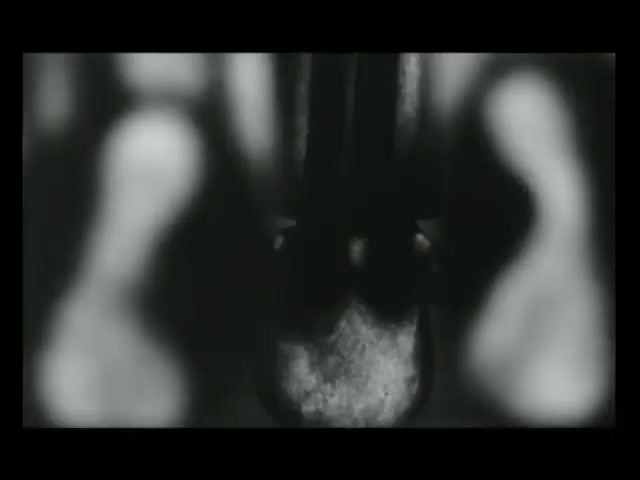
Apel evokes the concentration-camp world through stripped-down figures, regimented movement, and a visual field built to feel punitive rather than immersive. Rather than following one protagonist through a rounded narrative, the short concentrates on the ritualized humiliation and annihilation of prisoners, reducing bodies and actions to stark signs until the whole film becomes a compressed protest image in motion.
That is why the film lands so hard in seven minutes. Czekała is not trying to dramatize camp life naturalistically; he is building a cut-out lament in which reduction itself becomes the form of accusation.
Why Is It Worth Watching?
- It is one of the bluntest examples of animation using formal reduction not for charm, but for moral severity.
- The short's cut-out austerity gives the camp imagery a ritual, almost emblematic force that would be weakened by more decorative animation.
- It is also a compact lesson in how political animation can work through pressure, rhythm, and design rather than speechifying.
Legacy And Impact
Apel matters because it became an international reference point for how forcefully Polish animation could handle historical trauma without softening it into uplift. Annecy's archive preserves the film as a seven-minute official-selection short defined by rare intensity, while Kraków's later festival memory keeps its 1971 Bronze Lajkonik visible as part of the film's breakthrough path.
That afterlife matters beyond one prize list. The short demonstrates that Studio Miniatur Filmowych could turn minimalist graphics into a vehicle for ethical outrage, and its continued presence in festival histories shows that it was not remembered as merely topical or dutiful. It stayed legible because the severity of its form is the argument.
Trivia
- Polish source notes and festival fact sheets consistently credit Jan Tkaczyk on camera, reinforcing how much of the film's power comes from controlled visual treatment rather than dialogue or plot mechanics alone.
- Annecy and Polish festival records keep the short pinned to roughly seven to eight minutes, which is why the article stays with the stable 8-minute label rather than inflating it into vaguer short-film shorthand.
- Those same festival/archive trails are still not strong enough for a clean day-level release move, so the article stays cautious on date precision while remaining firm on the runtime.
- That unevenness is deliberate source honesty, not unfinished cleanup.
- The split should now be treated as settled documentation quality rather than as a pending metadata fix.
- On the current evidence, that also makes the entry metadata-stable at year precision unless stronger primary release documentation appears.
- A direct check of the linked Wikidata entity still only returns a year-precision release claim for 1970, which matches the article's refusal to imply a cleaner release date than the evidence supports.
- Kraków Film Festival's own retrospective writing still singles the short out for its 1971 Bronze Lajkonik, showing that it remained part of the festival's institutional memory long after its first run.
- The film's concentration-camp setting made it an unusually severe subject for animation in 1970.
- Annecy's archive keeps
Apelvisible in the 1971 official-selection record, which helps explain why the film is so often treated as an international breakout point rather than only as a domestic Polish success. - Its reputation rests in part on how uncompromisingly it treats that subject with almost no decorative buffer, which is one reason it remains a frequent reference point in discussions of Polish auteur animation.
- That severity is also why the short still reads as a festival-era statement piece rather than just an example of competent studio craft: the minimalism is doing moral work, not merely aesthetic work.