
Studio: King Features Syndicate, TVC London, Subafilms
Short Plot Synopsis
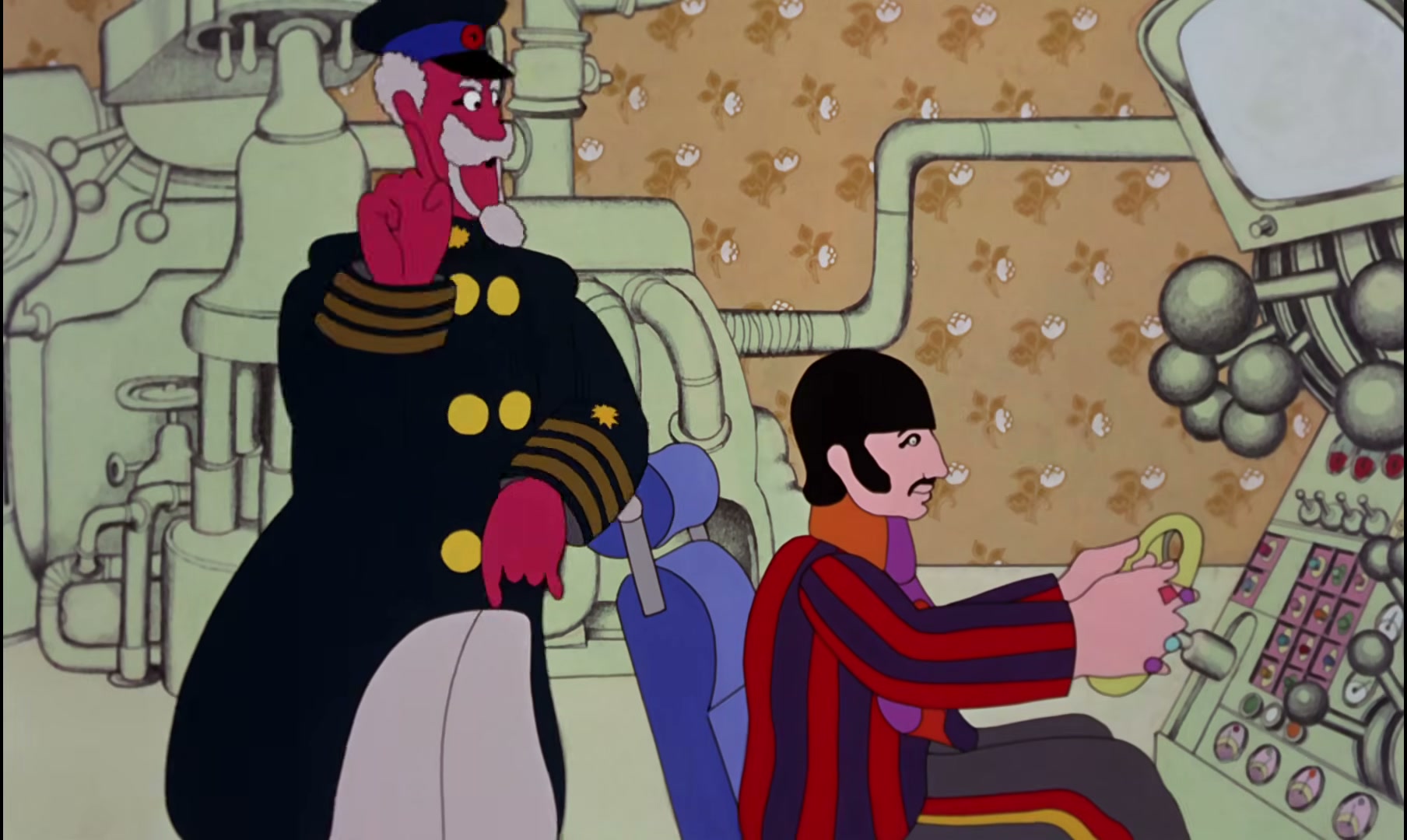
Pepperland, a musical paradise under the sea, is invaded by the Blue Meanies, enemies of joy, color, and sound. Old Fred escapes in the Yellow Submarine and recruits the Beatles to restore the land through songs, surreal encounters, and a psychedelic voyage through impossible spaces.
The plot is really a delivery system for design, music, and invention. The film moves like a pop-art dream, shifting through visual styles that keep reinventing the world around the band.
Why Is It Worth Watching?
- It is one of the key films that helped establish animation as a serious visual art form for adult and youth audiences in the West.
- Its graphic style remains unlike almost anything in mainstream animation from the 1960s.
- It turned a Beatles-related commercial assignment into a landmark psychedelic feature with lasting artistic influence.
Legacy And Impact
Yellow Submarine matters because it widened the imaginative range of what a commercially distributed animated feature could look and feel like. At a time when much Anglo-American animation still sat close to children's formula, this film arrived with collage aesthetics, abstract transitions, and a visual confidence that linked pop music, poster art, and experimental animation.
It also became an important gateway object. People who might never have sought out avant-garde or international animation still encountered a film full of design experimentation, free-form color play, and loose narrative logic. That broadened the cultural space in which later adult-facing or countercultural animation could be received.
For a canon like this, the film belongs not just because it is famous but because it represents a genuine shift in perception. Its success helped validate animation as something capable of being fashionable, strange, and aesthetically modern all at once.
Trivia
- The real Beatles appear only briefly in live action at the end of the film.
- John Lasseter has cited the film as one of the works that helped convince him animation could be treated as major art.


