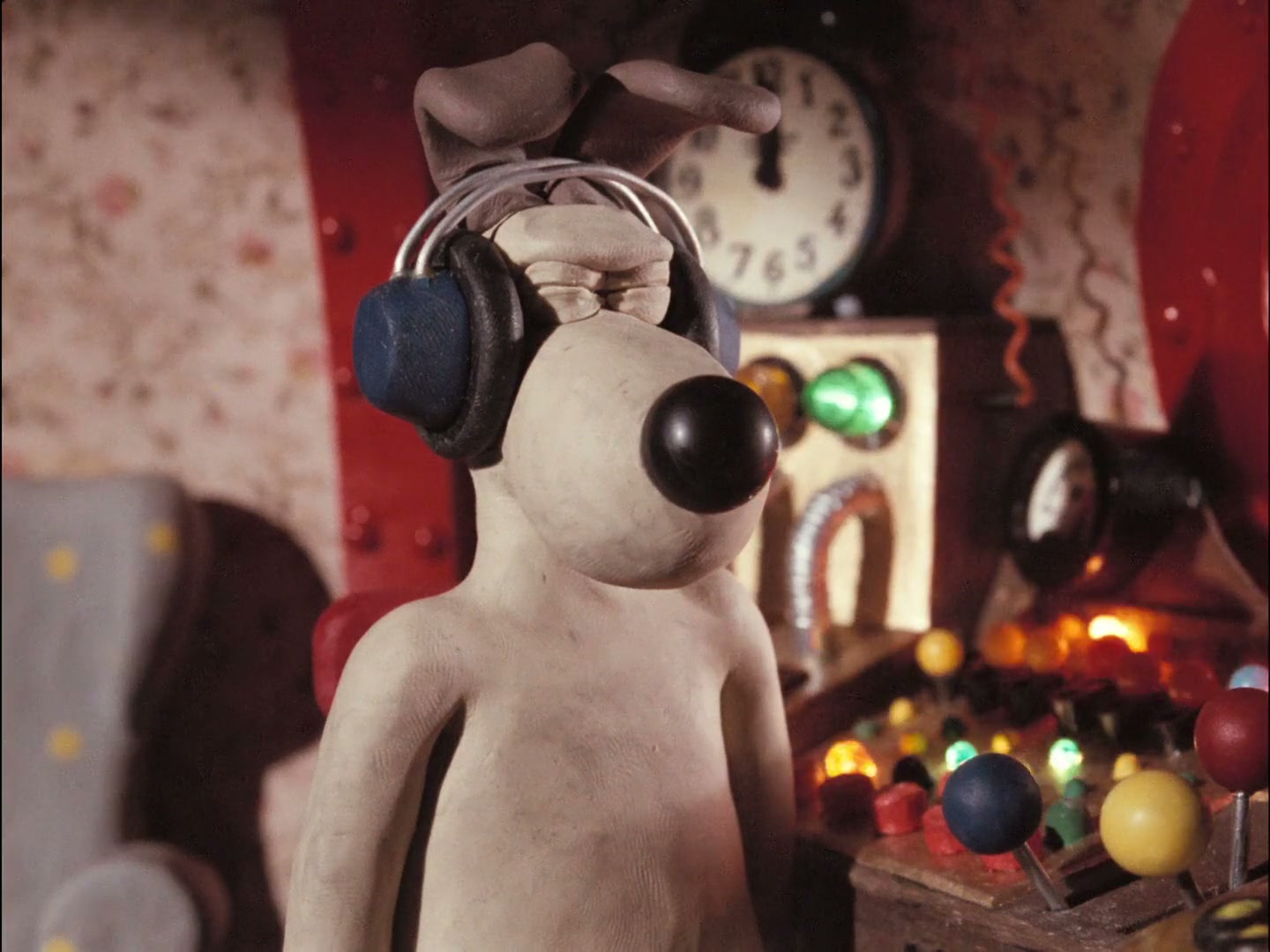
Studio: Aardman Animations, National Film and Television School
Short Plot Synopsis
A Grand Day Out uses short-form animation as a concentrated test of timing, technique, music, stop-motion craft, or visual concept.
The short remained crucial because it could do what features often could not: stay odd, precise, handmade, or formally risky.
Why Is It Worth Watching?
- It introduces Wallace and Gromit through a handmade moon-trip premise that turns British domesticity into space adventure.
- It captures animation in the years when cable television, home video, theatrical musicals, anime fandom, and independent shorts were all changing the audience.
- It helps connect the famous early-1990s landmarks to the surrounding productions that made the period feel newly crowded.
Legacy And Impact
A Grand Day Out preserves animation as experiment as well as entertainment.
In this book, A Grand Day Out works as evidence that animation had become a many-track medium by the early 1990s.
Its value also comes from the way it preserves a production context, not just a plot: a studio habit, a national style, a television format, or a feature-length experiment.
It also gives this section texture by showing how animated works survived through fandom, regional memory, television reruns, home video, and festival circulation.
Trivia
- The moon being made of cheese is not just a gag; it makes Wallace's appetite the engine of space travel.