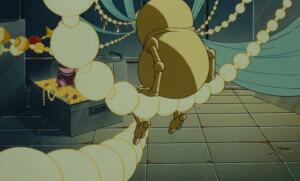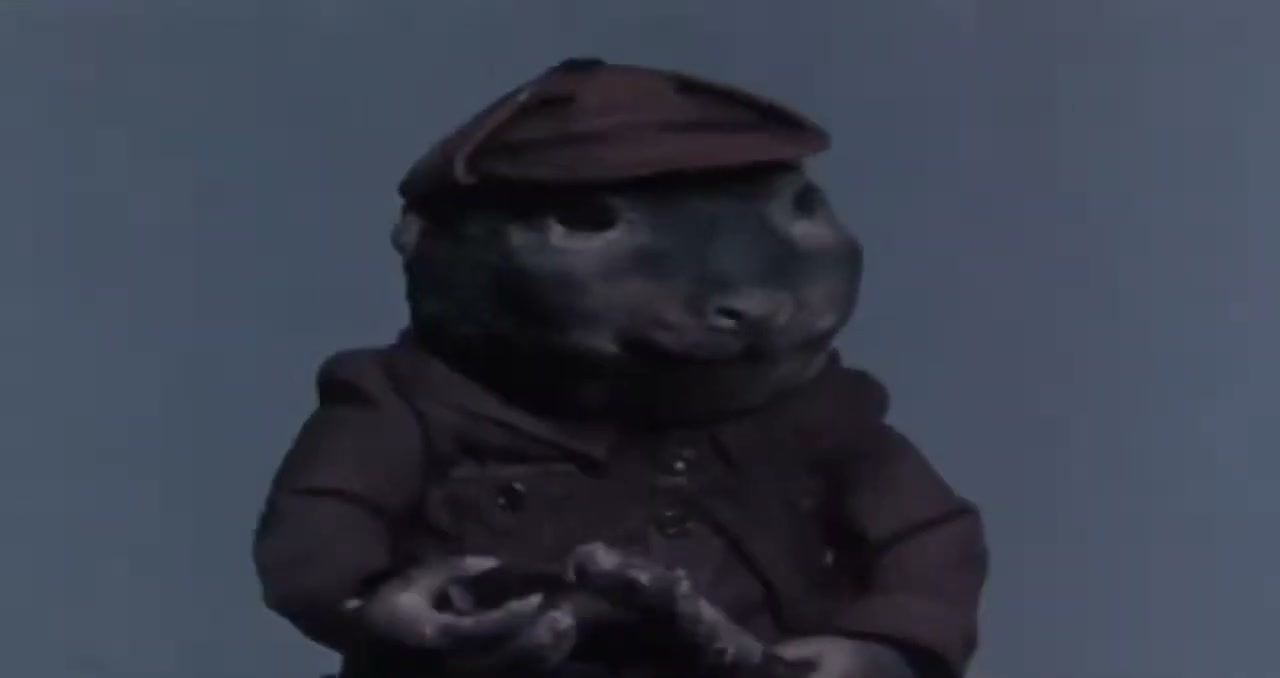
Studio: Cosgrove Hall Films
Short Plot Synopsis
The Wind in the Willows is shaped by television habits: familiar characters, literary adaptation, holiday timing, or compilation logic. Its story is direct because repeat viewing and recognition do much of the work.
Television did not just preserve animation; it changed the way audiences met old characters and new specials.
Why Is It Worth Watching?
- It became a defining British stop-motion adaptation, cozy in texture but precise in character.
- It captures animation entering the early 1980s with more cult films, anime franchises, television repackaging, and international festival work than ever before.
- It helps connect the decade's famous milestones to the surrounding productions that made the medium feel newly crowded.
Legacy And Impact
The Wind in the Willows shows how home viewing became one of animation's most powerful archives.
In this book, The Wind in the Willows works as evidence that animation was no longer moving along one main studio road.
Its value also comes from the way it preserves a production context, not just a plot: a studio habit, a national style, a television format, or a feature-length experiment.
It also gives this section texture by showing how many animated works survived through fandom, regional memory, television recycling, and festival circulation.
Trivia
- Its success led directly to the long-running Cosgrove Hall television series.