Studio: Topcraft, Tokuma Shoten, Hakuhodo
Short Plot Synopsis
Nausicaa of the Valley of the Wind belongs to the mid-1980s surge of anime features and OVAs, where manga, television fandom, science fiction, fantasy, and adult genre imagery fed each other.
The important shift is density. These works often assume viewers already know a world, a genre, or a visual code, and then use theatrical or video release to intensify it.
Why Is It Worth Watching?
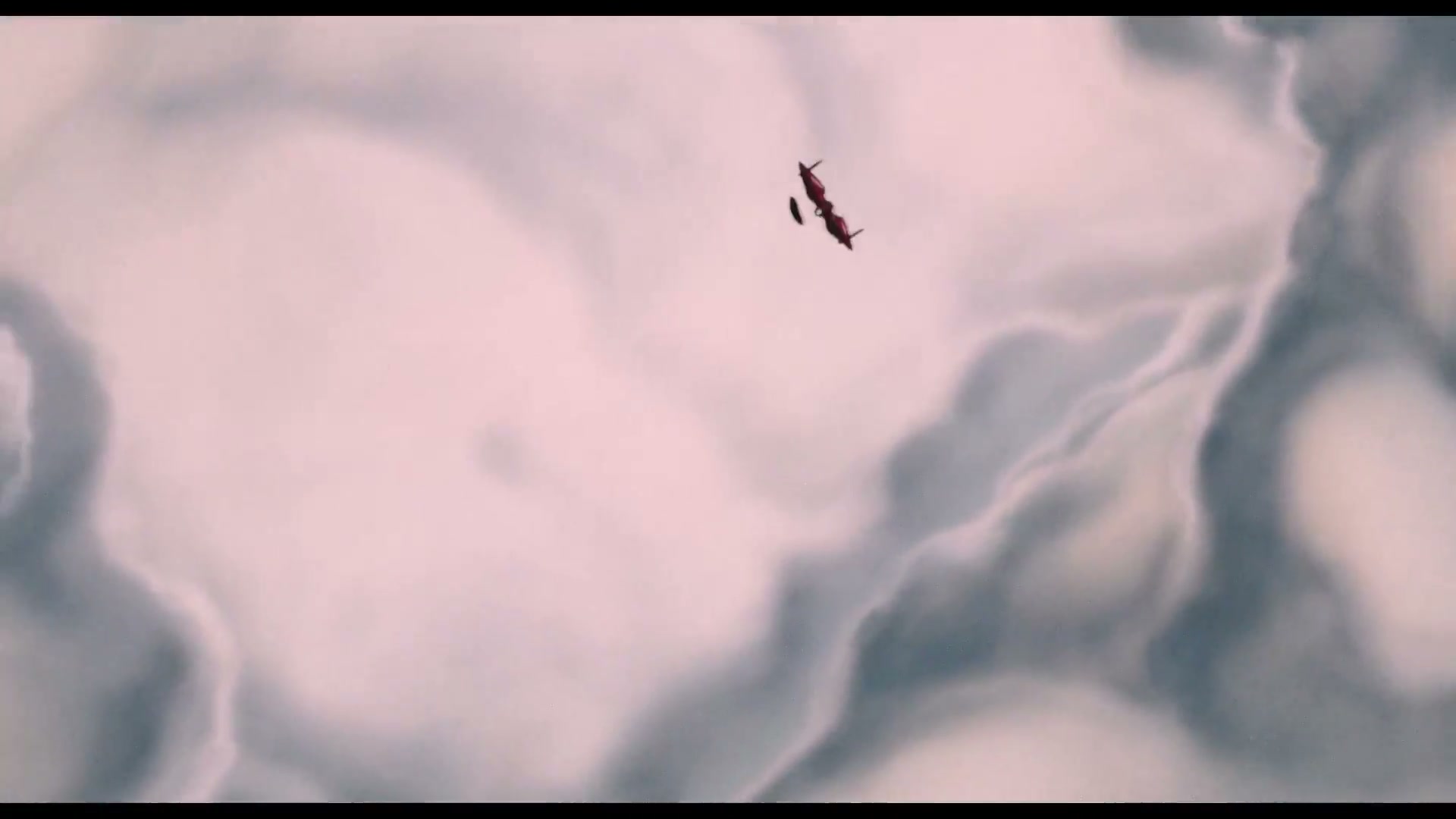
- It is the crucial pre-Ghibli Miyazaki feature, joining ecological catastrophe, flight, pacifism, and manga-scale worldbuilding.
- It captures animation in the years just before the 1990s boom, when brands, auteur films, computer graphics, and anime fandom were all accelerating.
- It helps connect celebrated milestones to the surrounding work that made the decade feel unstable and inventive.
Legacy And Impact
Nausicaa of the Valley of the Wind helps explain why anime became one of the decade's most energetic animation systems.
In this book, Nausicaa of the Valley of the Wind works as evidence that late-1980s animation was splitting into many futures at once.
Its value also comes from the way it preserves a production context, not just a plot: a studio habit, a national style, a television format, or a feature-length experiment.
It also gives this section texture by showing how animated works survived through fandom, regional memory, television recycling, home video, and festival circulation.
Trivia
- Its success helped lead directly to the founding of Studio Ghibli, making it both a film and an origin point.