Studio: Sunbow Productions, Marvel Productions, Toei Animation
Short Plot Synopsis
The Transformers: The Movie sits inside the 1984-1988 animation landscape, when anime, toy-linked features, television specials, computer graphics, and international films were all changing the field at once.
The entry matters because it records a specific production pressure: brand expansion, auteur ambition, new technology, cult genre, or national studio tradition.
Why Is It Worth Watching?
- It is the great toy-line feature shockwave, infamous for turning franchise renewal into childhood trauma.
- It captures animation in the years just before the 1990s boom, when brands, auteur films, computer graphics, and anime fandom were all accelerating.
- It helps connect celebrated milestones to the surrounding work that made the decade feel unstable and inventive.
Legacy And Impact
The Transformers: The Movie earns its place by showing how varied animation had become by the late 1980s.
In this book, The Transformers: The Movie works as evidence that late-1980s animation was splitting into many futures at once.
Its value also comes from the way it preserves a production context, not just a plot: a studio habit, a national style, a television format, or a feature-length experiment.
It also gives this section texture by showing how animated works survived through fandom, regional memory, television recycling, home video, and festival circulation.
Trivia
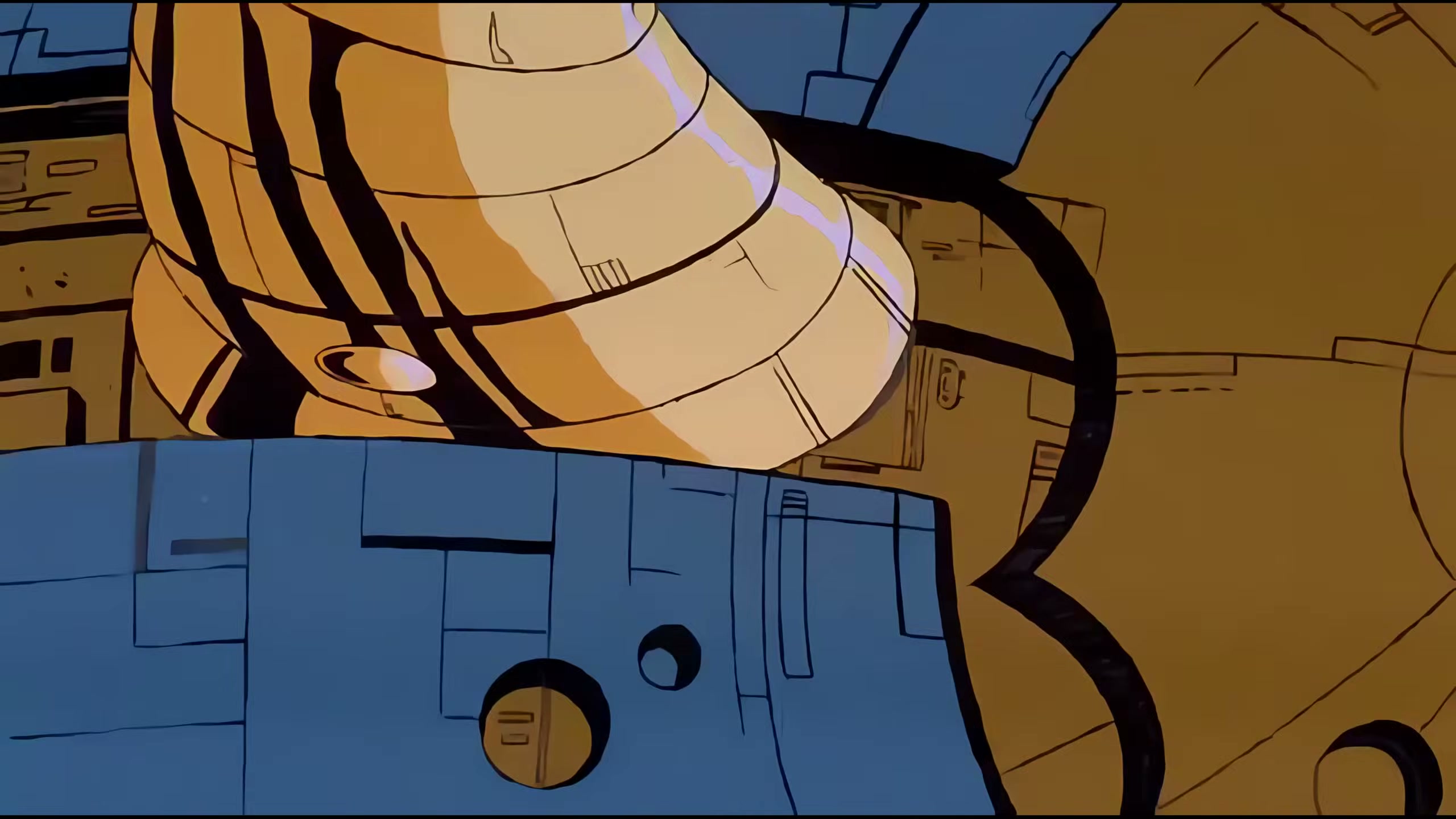
- Orson Welles's final film role was Unicron, a planet-eating robot god built to sell a new generation of toys.