Studio: Pannonia Film Studio
Short Plot Synopsis
Cat City sits inside the 1984-1988 animation landscape, when anime, toy-linked features, television specials, computer graphics, and international films were all changing the field at once.
The entry matters because it records a specific production pressure: brand expansion, auteur ambition, new technology, cult genre, or national studio tradition.
Why Is It Worth Watching?
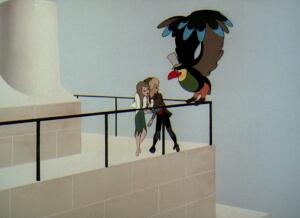
- It is a Hungarian cult favorite that turns spy parody, cat-and-mouse conflict, and Cold War absurdity into feature animation.
- It captures animation in the years just before the 1990s boom, when brands, auteur films, computer graphics, and anime fandom were all accelerating.
- It helps connect celebrated milestones to the surrounding work that made the decade feel unstable and inventive.
Legacy And Impact
Cat City earns its place by showing how varied animation had become by the late 1980s.
In this book, Cat City works as evidence that late-1980s animation was splitting into many futures at once.
Its value also comes from the way it preserves a production context, not just a plot: a studio habit, a national style, a television format, or a feature-length experiment.
It also gives this section texture by showing how animated works survived through fandom, regional memory, television recycling, home video, and festival circulation.
Trivia
- Its Hungarian title, Macskafogo, became shorthand for a local animation hit with unusually broad popular appeal.