
Studio: Fleischer Studios (Color Classics)
Distributor: Paramount Pictures
Produced by: Max Fleischer
Short Synopsis
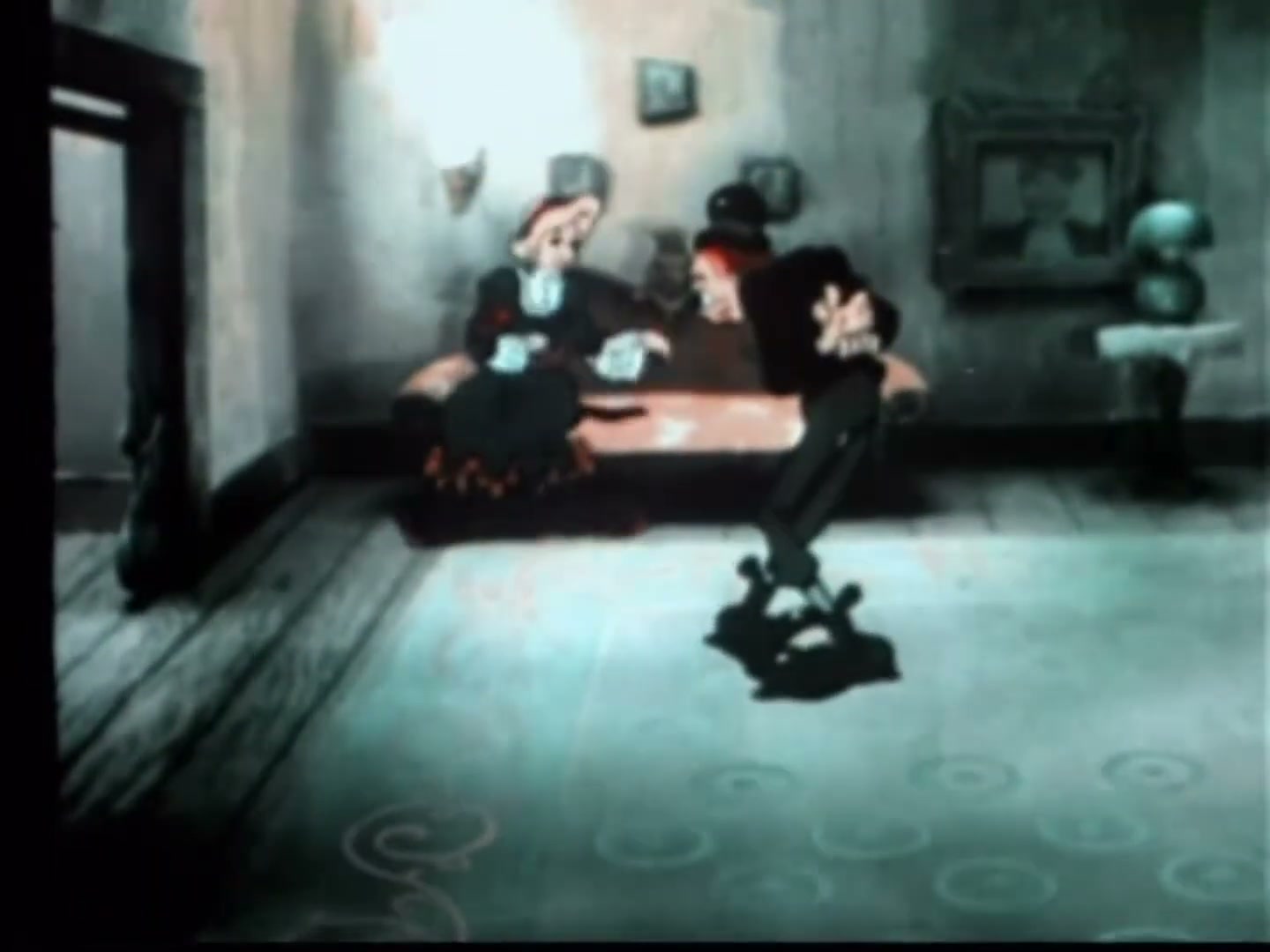
An elderly couple sit by the fire of an evening and open the family photograph album. As they turn the pages the old photographs come to life, each one a memory set to the song that belonged to it: their courtship on a bicycle built for two, a picnic, a band concert in the park, a dance, their wedding, the first baby, all in the sepia tones and stiff poses of the 1890s, with the figures stepping out of their frames to sing and dance. The songs are the standards of the Gay Nineties, "Daisy Bell" and its company, and the couple sing along, remembering. When the album closes they are old again by the fire, hand in hand, and the film fades on them. The plot is no more than the turning of pages, and the cartoon is really a song medley with a frame.
Why It Matters
- The photographs coming to life, in sepia inside the Cinecolor frame, is a handsome device, and the film is one of the earliest animated exercises in Gay Nineties nostalgia, a mood Hollywood would mine for a decade; the old couple are drawn with a tenderness the Fleischers rarely bothered with.
- No renewal appears for it in the Catalog of Copyright Entries for 1961-64, so unlike several Color Classics that U.M.&M. did renew it is in the US public domain, and it is a reminder that the Color Classics were often song cartoons in the Screen Songs manner, built to carry a medley, with the stereoptical sets as the main attraction. Reliable production notes beyond the credits are thin.
Notes and Trivia
- Roland Crandall's period figures draw on his own youth; he was born in 1892.
- The Gay Nineties revival was then in full swing on Broadway and radio.
- See also: Time for Love (1935), Somewhere in Dreamland (1936), Dancing on the Moon (1935).


