
Studio: Fleischer Studios
Distributor: Paramount Pictures
Produced by: Max Fleischer
Short Synopsis
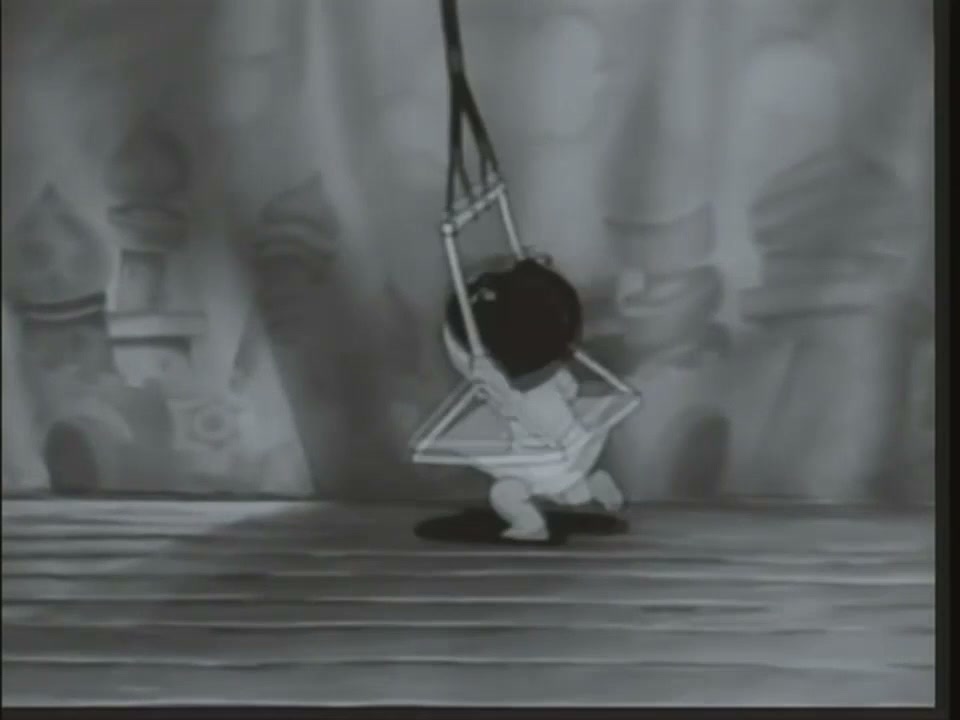
Betty is mistress of ceremonies at "Making Stars", a stage revue presenting the stars of tomorrow, every one of them a baby. She introduces each act from the footlights with a verse. A trio of Black infants, drawn in the period's full caricature, sing "Hi-De-Ho" in the Cab Calloway manner; an Asian baby does a sharpshooting act; a fat Russian baby called Little Miss Trotsky bounces through a Cossack dance; other infants tap, sing and tumble, with the stage machinery and the babies' mishaps supplying the gags. The film has no story beyond the revue, and it ends with the whole nursery on stage for a finale.
Why It Matters
- As a record of the vaudeville baby act, a real and popular genre of the 1930s, the film is a curiosity, and the Fleischer animators handle the babies' tumbles with their usual rubbery skill; as a record of casual racial caricature it is also of its time, and the Black and Asian baby acts are among the reasons the film is seldom shown unedited.
- It is in the public domain in the United States, which has kept it in circulation in the public-domain compilations where most of the post-Code Betty Boops survive, and it is a late example of the revue cartoon, a form the Fleischers had made their own since the Screen Songs.
Notes and Trivia
- Little Miss Trotsky's name was a topical joke; the Soviet exile was then living in Norway.
- Eight animators worked on the film, an unusually large crew for a seven-minute short.
- See also: Judge for a Day (1935), Betty Boop and the Little King (1936).


