
Studio: George Pal Productions (Puppetoons / Madcap Models)
Distributor: Paramount Pictures
Produced by: George Pal
Short Synopsis
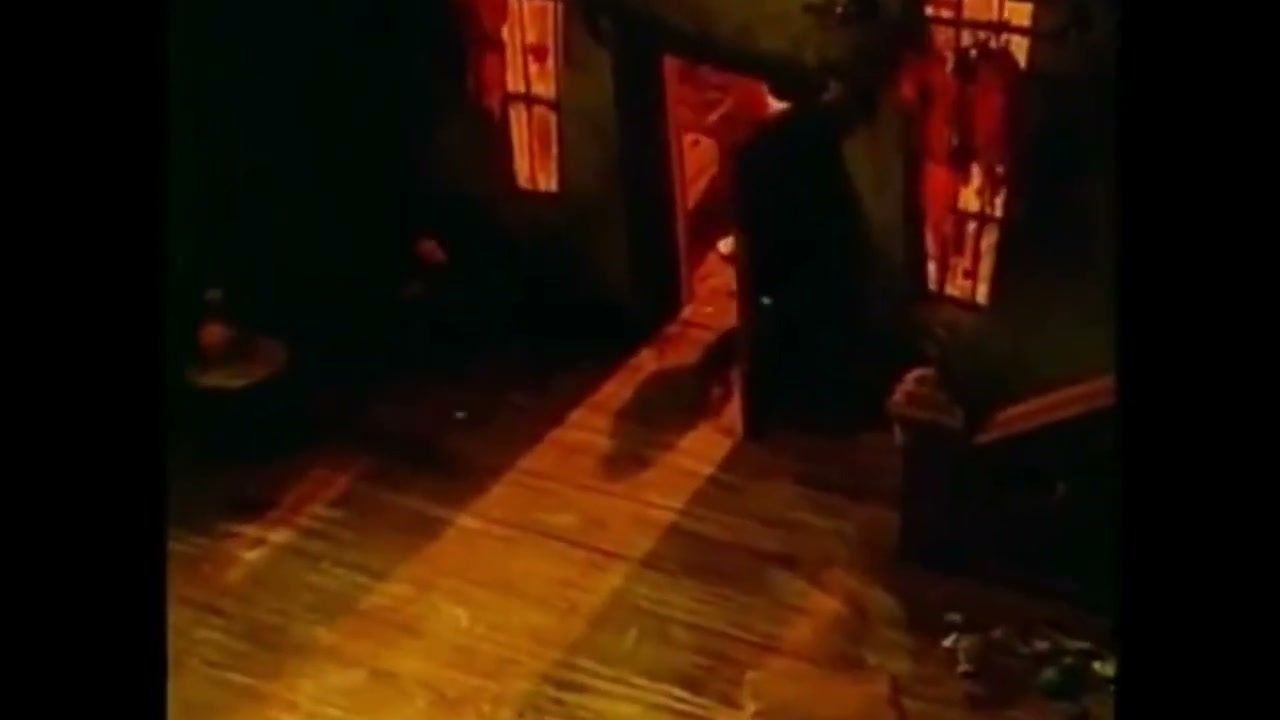
Jasper, a small Black boy carved in wood, is carrying a gooseberry pie to Deacon Jones for his mother when Professor Scarecrow and his crony the Blackbird smell it. The scarecrow unzips the crust to check the filling, is told to mind his business, and switches a signpost so that Jasper walks to the haunted house instead of the deacon's. Inside, the two tricksters play ghosts to frighten him out of the pie, and the house itself joins in, with the furniture and the shadows coming alive in the manner of the Puppetoons, until the real ghosts turn out to be more than the scarecrow bargained for. The puppets are wooden figures replaced one by one for each frame, Pal's "replacement animation", and the opening titles sing the pie's recipe over its ingredients.
Why It Matters
- George Pal's Puppetoons are the richest stop-motion films of the American 1940s, with thousands of carved replacement figures giving the characters a squashed, bouncing movement no puppet with armatures could match, and the haunted-house setting shows the technique off. The young Ray Harryhausen, uncredited, animated on this and other Jasper films before his career in features.
- The Jasper series is also the Puppetoons' problem: the character is a racial stereotype, a wide-eyed Black child from a storybook South, and the films were criticised at the time by the NAACP and later withdrawn. Jasper and the Haunted House survives in circulation because its copyright lapsed when NTA failed to renew it, so it stands here as both a technical landmark and a document of what Hollywood thought acceptable in 1942.
Notes and Trivia
- Pal received an honorary Academy Award in 1944 for the Puppetoon technique.
- Harryhausen made his own first films after leaving Pal in 1942 for the army.
- See also: The Sunshine Makers (1935), Scrub Me Mama with a Boogie Beat (1941).


