
Studio: Fleischer Studios
Distributor: Paramount Pictures
Produced by: Max Fleischer
Short Synopsis
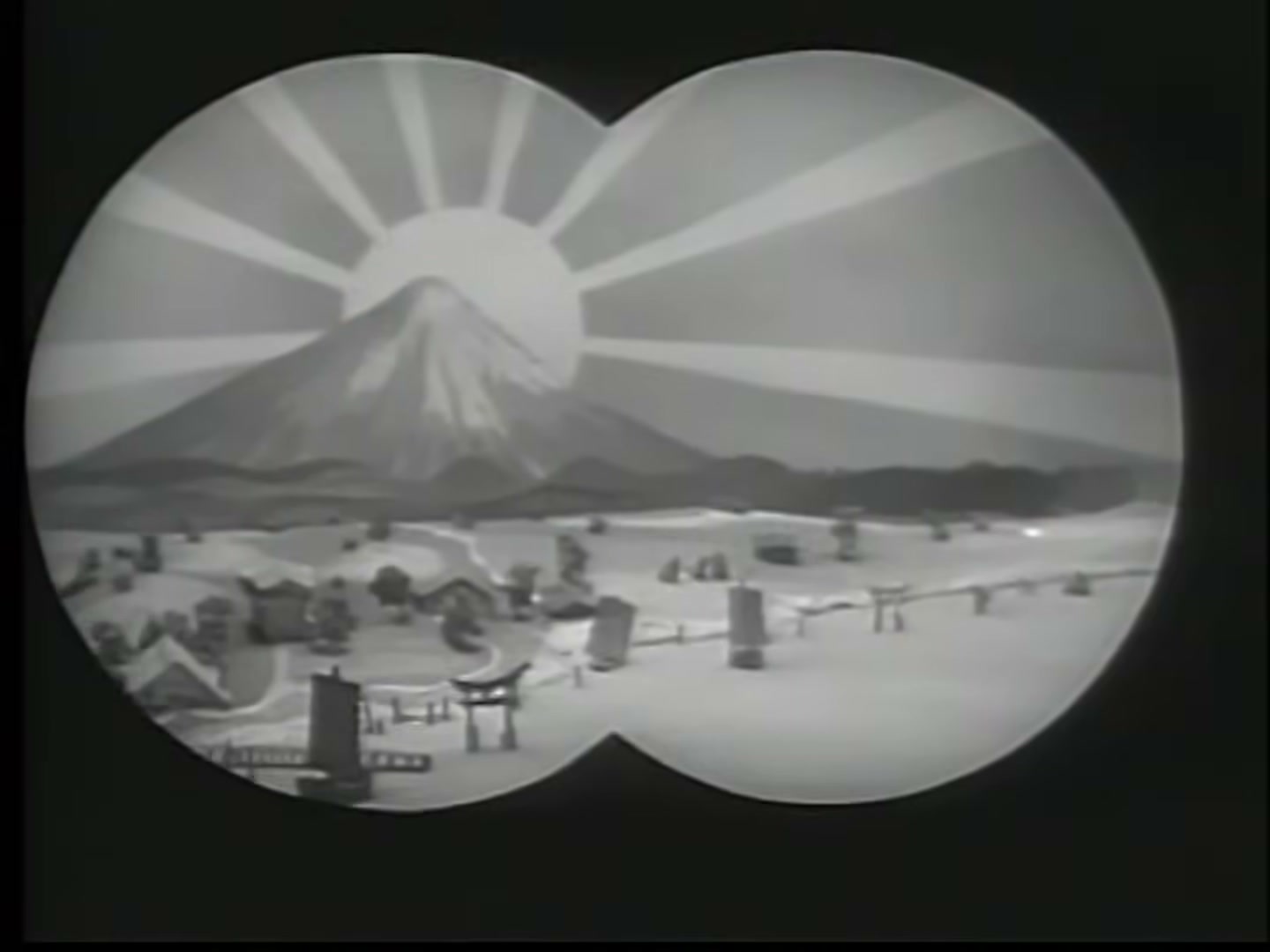
Betty finishes a stage show in America and flies her own aeroplane across the Pacific to Japan, where a theatre full of Japanese spectators is waiting. She sings the title song, about music being a language everyone understands, then goes to her dressing room, changes into a kimono and geta and does her hair in Japanese style, and comes back to sing the number again in Japanese, with a fan, to the delight of the house. The cartoon is almost without plot: it is a song, a costume change and a reprise, with the flight and the Japanese audience as frame, and it runs barely six minutes.
Why It Matters
- The studio made the film after discovering that Betty Boop was enormously popular in Japan, and Myron Waldman, worried that her usual wriggle might give offence, had a group of Japanese students review the animation before release; the result is one of the very few 1930s Hollywood cartoons to present Japan without caricature, and Betty's Japanese verse was recorded phonetically by Mae Questel.
- It has been in the American public domain since its copyright lapsed. Its goodwill toward Japan, six years before Pearl Harbor, makes it a curious period piece beside the wartime cartoons that followed, and it remains a favourite in Japan, where Betty has never gone out of fashion.
Notes and Trivia
- Betty's influence on Japanese popular culture has been traced through to the big-eyed heroines of postwar manga.
- Waldman's consultation with Japanese students is one of the earliest recorded instances of a studio vetting a cartoon for cultural offence.
- See also: No! No! A Thousand Times No!! (1935), Betty Boop and Grampy (1935), Judge for a Day (1935).


