Studio: Richard Williams Productions
Short Plot Synopsis
A Christmas Carol is built for television event viewing. Its story is direct, but the real design is ritual: a family broadcast, a holiday slot, a crossover, or a moral theme made easy to revisit.
These specials often rely on instantly recognizable voices and premises, using limited animation as a delivery system for memory.
Why Is It Worth Watching?
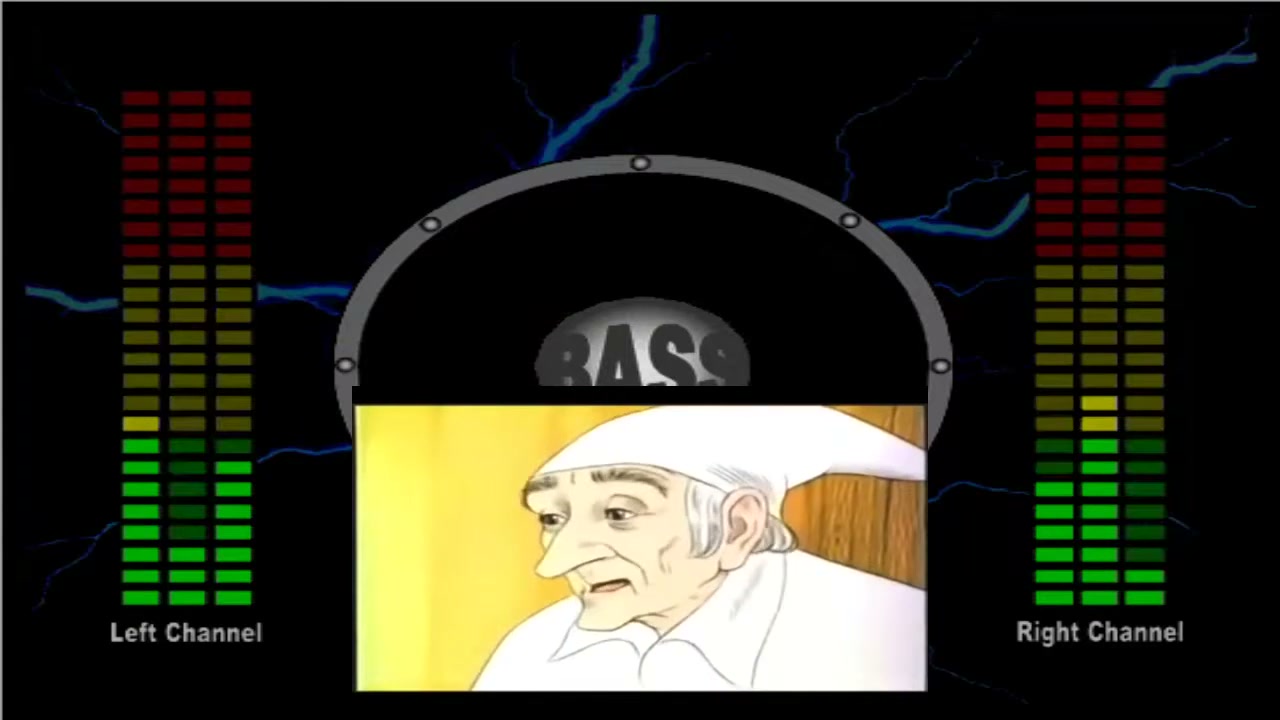
- It brings Victorian engraving textures into television animation with unusual severity.
- It captures a moment when television animation, adult features, festival shorts, and international studios were reshaping what cartoons could be.
- It helps connect the decade's famous titles to the less obvious works that explain the medium's range.
Legacy And Impact
A Christmas Carol shows how animation found a permanent home in seasonal programming and weekend television.
In this book, A Christmas Carol functions as a marker of animation moving through new audiences, new politics, and new distribution habits.
That makes the entry useful not only as an isolated title, but as part of the larger story of cartoons after the classic theatrical era.
Its value also comes from the way it records a changing production culture, where small studios and television pipelines could stand beside theatrical features.
Trivia
- Alastair Sim reprises Scrooge in voice form, linking the animated special to the classic 1951 live-action film.