
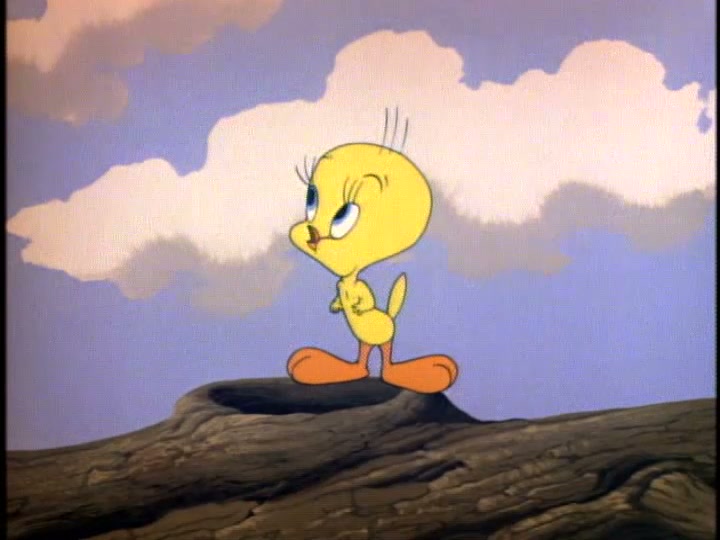
Studio: Warner Bros. Cartoons
Short Plot Synopsis
Tweet Tweet Tweety builds comedy around a strong Warner personality: Bugs' control, Daffy's instability, Porky's patience, Tweety's innocence, Sylvester's appetite, or Foghorn Leghorn's bluster. The plot is usually a trap designed to expose that personality.
Dialogue, music, and timing are compressed. The cartoon does not need much setup because the characters bring their own conflicts with them.
Why Is It Worth Watching?
- It shows Warner Bros. refining character comedy through Bugs, Daffy, Porky, Tweety, Sylvester, or Foghorn Leghorn.
- It captures a specific mid-century pressure: postwar studio competition, recurring-character refinement, international production, or changing feature strategy.
- It helps connect famous milestones to the ordinary release patterns that surrounded them.
Legacy And Impact
Tweet Tweet Tweety belongs to the period when Warner's character system was fully flowering. These shorts defined how economical, sarcastic, and repeatable theatrical cartoon comedy could become.
In a chronological animation canon, Tweet Tweet Tweety matters because it shows the medium in motion: borrowing old stories, sharpening familiar stars, testing new styles, and adapting to a theatrical market that was about to change dramatically.
Trivia
- Tweet Tweet Tweety uses an established Warner character, so the short can start from personality instead of exposition.
- Warner often perfected characters by trying similar conflicts again with sharper timing or better pairings.
- Its short running time means the premise has to announce itself quickly and resolve through image, rhythm, or personality.


