
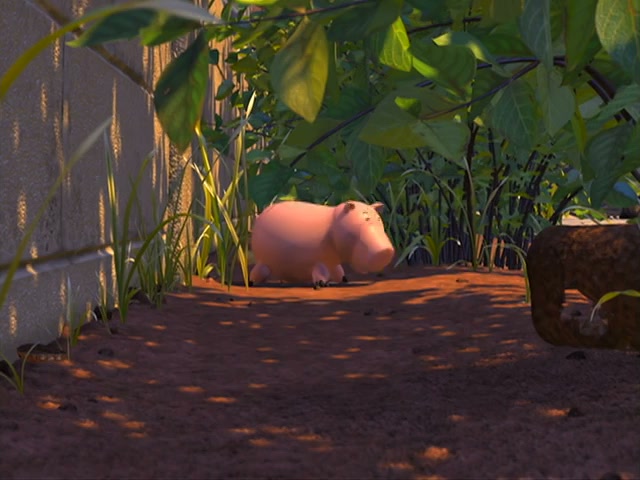
Studio: Pixar Animation Studios, Walt Disney Pictures
Short Plot Synopsis
When Woody is stolen by a toy collector, Buzz and the rest of Andy's toys launch a rescue mission through suburban streets and commercial spaces. At the same time Woody discovers that he is part of a discontinued television franchise, opening a conflict between loyalty to a child's room and the promise of preservation in a museum.
The sequel expands the emotional world of the first film without losing its comic timing. Questions of replacement, collecting, abandonment, and performance give the adventure an unexpectedly adult core.
Why Is It Worth Watching?
- It is one of the rare sequels that not only matches its predecessor but deepens the series' emotional and formal ambitions.
- It confirmed that CGI feature animation was not a one-film novelty and that Pixar's dominance would extend beyond a breakthrough debut.
- It captures the end of the century at the point where digital animation had become an industrial future rather than an experiment.
Legacy And Impact
Toy Story 2 matters because it stabilized a new era. After the first film proved a fully computer-animated feature could work, the sequel proved the format could sustain richer characterization, sharper emotional stakes, and a larger comic world without collapse.
For this canon, the film helps explain why Pixar became the central American animation story moving into the 2000s. It is not simply more of the same. It broadens the first film's theme of obsolescence into a meditation on collecting, memory, and the fear of becoming display rather than companion.
Its place is also secured by craft. The film came out of a famously difficult production cycle, yet it arrived feeling effortless, witty, and emotionally exact. That combination of industrial pressure and artistic success is part of its historical significance.
Trivia
- Jessie was created late enough in development that her emotional centerpiece, "When She Loved Me", helped reshape the film's final tone.
- The movie was originally planned as a direct-to-video release before Pixar and Disney upgraded it to a theatrical feature.


