
Studio: Leon Schlesinger Productions / Warner Bros.
Short Plot Synopsis
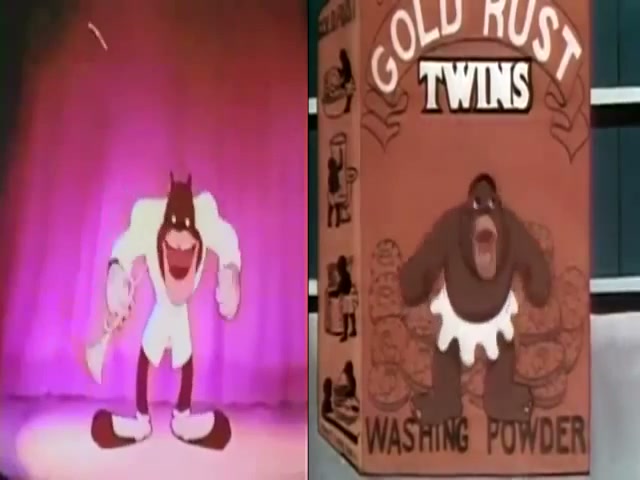
Tin Pan Alley Cats is built from energetic music, caricature, and period parody, but it also contains racist imagery that cannot be separated from the viewing experience.
Its animation may be inventive, and its timing may be historically important, yet the film's racial assumptions make it a difficult artifact rather than simple entertainment.
Why Is It Worth Watching?
- It combines jazz fantasy with racist caricature, preserving both Clampett's invention and the period's damage.
- It captures a specific pressure point in 1940s animation: war, studio rivalry, new stars, or feature ambition.
- It helps explain how theatrical cartoons changed as audiences, censorship, and global politics changed around them.
Legacy And Impact
Tin Pan Alley Cats belongs in the record because it shows both the brilliance and the failures of studio-era animation. The same industry that refined timing and design also normalized damaging stereotypes.
For a book built around one thousand and one historically important cartoons, Tin Pan Alley Cats matters because it is not isolated. It sits inside a web of studios, characters, propaganda needs, music trends, and international production experiments that shaped what animation could become.
Trivia
- Tin Pan Alley Cats has a specific production footprint in the list, linking its year, format, and national context to animation history.
- It is often discussed today through the tension between formal craft and offensive representation.
- Its compact running time made every gag, song, or message carry more structural weight than it would in a feature.


