
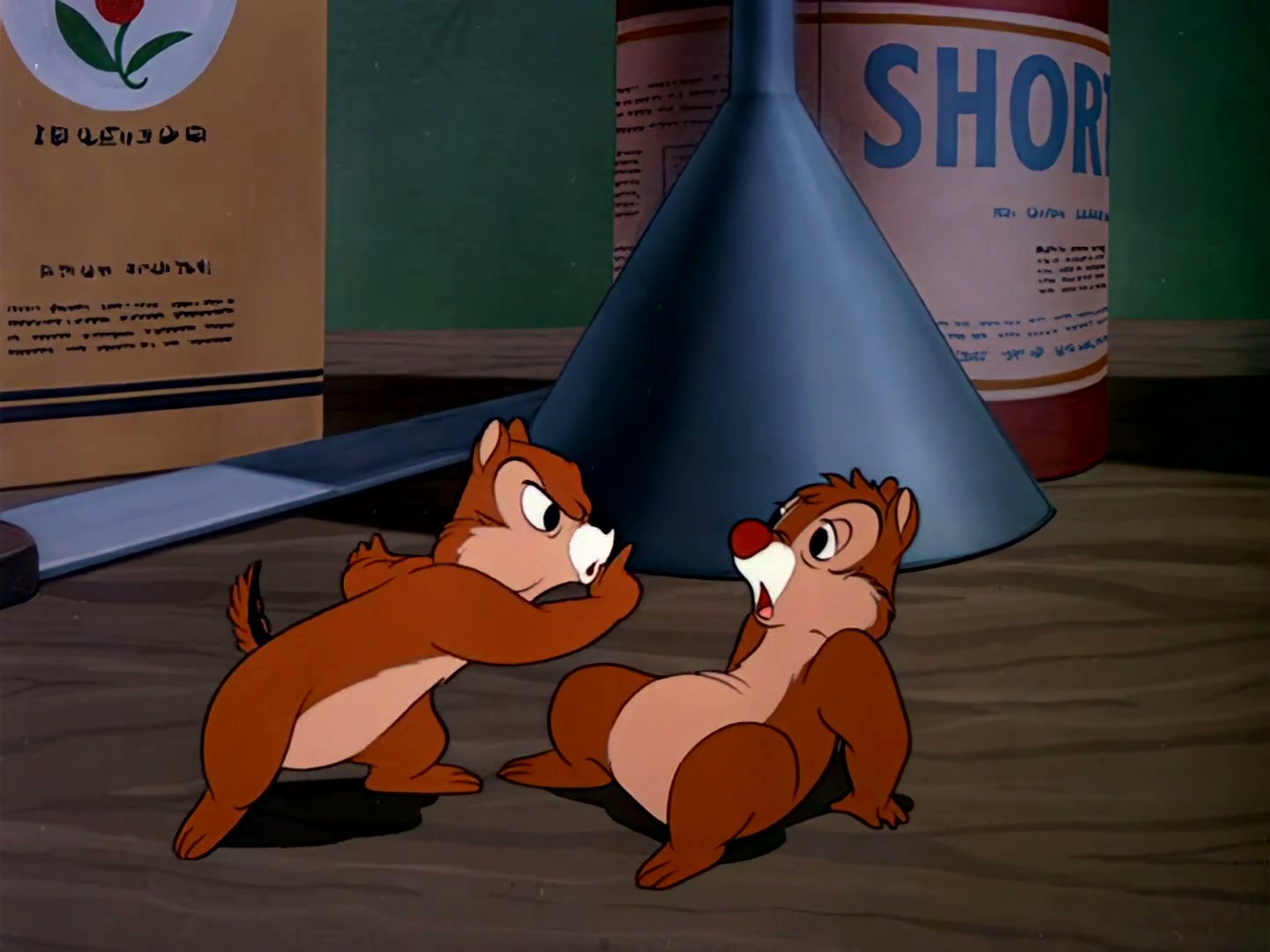
Studio: Walt Disney Productions
Short Plot Synopsis
Three for Breakfast uses Disney's short-subject craft to turn a small problem into character comedy. A task, outing, meal, or social obligation becomes difficult because the lead character's personality keeps making it worse.
The animation is polished but compact. Gestures, reaction takes, and bits of business carry more weight than elaborate plotting.
Why Is It Worth Watching?
- It shows Disney maintaining short-subject craft and character appeal alongside feature production.
- It captures a specific mid-century pressure: postwar studio competition, recurring-character refinement, international production, or changing feature strategy.
- It helps connect famous milestones to the ordinary release patterns that surrounded them.
Legacy And Impact
Three for Breakfast shows Disney keeping theatrical shorts alive while features took more attention. These films protected the studio's characters and kept their screen habits fresh.
In a chronological animation canon, Three for Breakfast matters because it shows the medium in motion: borrowing old stories, sharpening familiar stars, testing new styles, and adapting to a theatrical market that was about to change dramatically.
Trivia
- Three for Breakfast has a specific production footprint in the list, linking its year, format, and national context to animation history.
- Disney shorts from this period often depended on one clear behavioral flaw: Donald's temper, Goofy's confusion, or Pluto's instinct.
- Its short running time means the premise has to announce itself quickly and resolve through image, rhythm, or personality.


