
Studio: Leon Schlesinger Productions (Merrie Melodies)
Distributor: Warner Bros. Pictures, The Vitaphone Corporation
Produced by: Leon Schlesinger
Short Synopsis
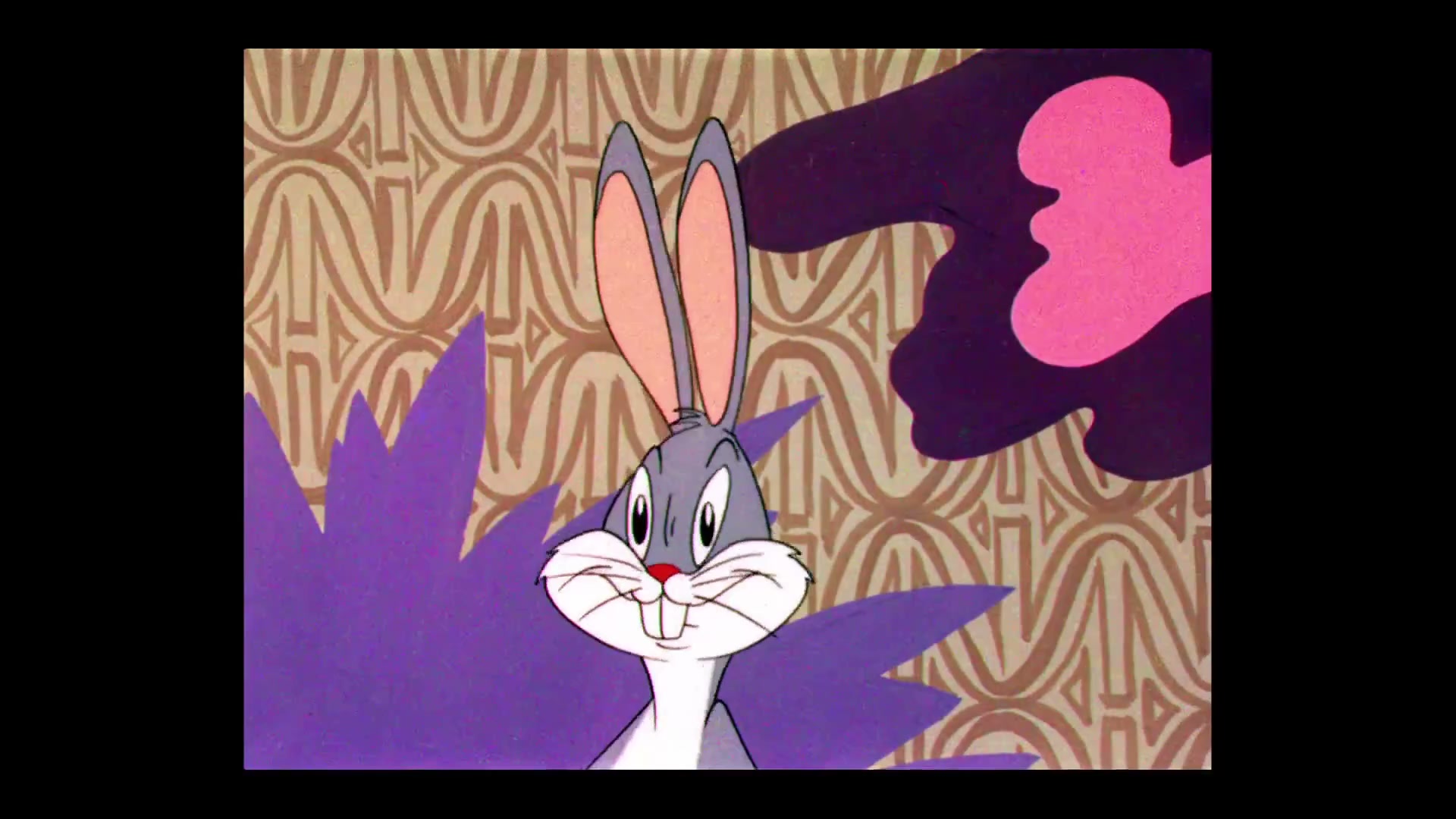
Elmer Fudd, in his brief fat phase, is prospecting in the desert for gold "for the war effort", singing "Oh! Susanna" as he digs. Bugs Bunny, who lives in the desert, cannot resist him. He swaps Elmer's dynamite for his own, salts a fake gold strike, hides in Elmer's sack, and sings along with Elmer's song until the prospector realises there are two voices. Elmer buries the rabbit, Bugs buries Elmer, and in the end Elmer gets his gold after all: he spots a glint in Bugs's mouth, holds him down and pulls a gold tooth, only for Bugs to point out that the tooth is Elmer's own, now missing from his grin. Elmer smiles anyway, with a gap, and the gold glints.
Why It Matters
- It is Clampett's Bugs at his most unhinged, rubbery and loud, with the "Oh! Susanna" duet and the gold-tooth finish as the best gags, and the fat Elmer, modelled on Arthur Q. Bryan himself, is a design curiosity used in only a few films. The desert gags with the dynamite are straight out of the Road Runner cartoons Chuck Jones would make seven years later.
- The film is one of the early wartime Bugs cartoons, with the "war effort" joke dating it to the spring of 1942, and it is in the public domain through non-renewal, which has made it one of the most-seen early Bugs Bunny films, usually in faded prints. It shows the character before his personality settled, still closer to a heckler than a hero.
Notes and Trivia
- Elmer's fat design lasted for five cartoons in 1941-42 before the studio went back to the thin version.
- The film is available in restored form on the Looney Tunes Golden Collection.
- See also: A Wild Hare (1940), Fresh Hare (1942), Case of the Missing Hare (1942).


