
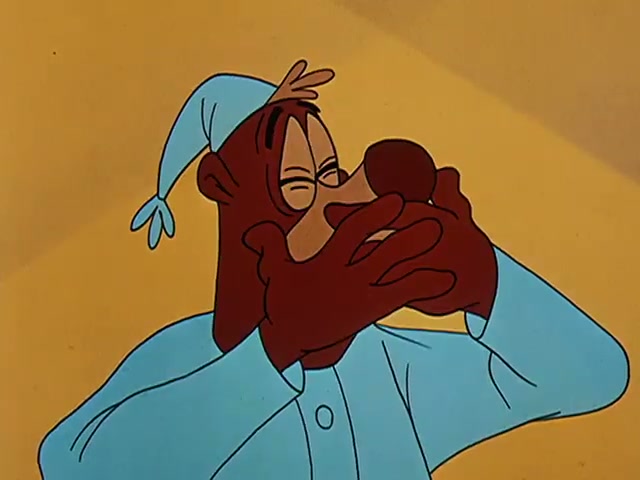
Studio: Walter Lantz Productions
Short Plot Synopsis
The Unbearable Salesman uses Walter Lantz studio energy: loud personalities, quick chases, and a taste for irritation that escalates into full cartoon warfare. The premise is direct, but the appeal is momentum.
The short reflects a studio adapting to postwar exhibition and later television reuse, where recognizable characters and strong gags mattered more than prestige polish.
Why Is It Worth Watching?
- It captures Walter Lantz Productions adapting theatrical cartoon energy to a changing 1950s market.
- It captures the 1950s shift from theatrical cartoon dominance toward television, widescreen features, sponsored films, and international festival culture.
- It helps connect famous landmarks to the everyday production patterns that surrounded them.
Legacy And Impact
The Unbearable Salesman helps explain how the Lantz studio stayed visible while many theatrical cartoon operations weakened. Its characters were built for persistence.
In this book, The Unbearable Salesman earns its place because it helps explain a changing medium: old stars were being refined, modernist studios were challenging house styles, and feature animation was becoming more international.
It also gives this chapter a useful period marker, showing how a single release could carry studio habit, exhibition pressure, and changing audience expectations into a compact cartoon form.
Trivia
- The title's unbearable pun signals a sales-call cartoon where annoyance, not danger, drives the conflict.


