Studio: Belvision, Editions Dupuis
Short Plot Synopsis
The Smurfs and the Magic Flute belongs to the 1974-1978 stretch when animated features, specials, shorts, and international works were multiplying in tone and origin.
The entry matters because it records a particular production culture: comic-book adaptation, folk fantasy, television packaging, festival experiment, or national studio craft.
Why Is It Worth Watching?
- It carries the Smurfs from comics into feature animation before the characters became a global television brand.
- It captures animation after the classic theatrical era, when television, adult features, international studios, and festival films were all reshaping the medium.
- It helps connect famous late-1970s landmarks to the surrounding works that explain the decade's variety.
Legacy And Impact
The Smurfs and the Magic Flute earns its place by making the late-1970s animation map wider than the most famous American releases.
In this book, The Smurfs and the Magic Flute works as evidence that animation history was becoming broader, stranger, and more international during the 1970s.
Its value also comes from the way it preserves a production context, not just a plot: a studio habit, a national style, a television format, or a feature-length experiment.
It also gives this section texture by showing how many animated works survived through regional memory, television recycling, and festival circulation.
Trivia
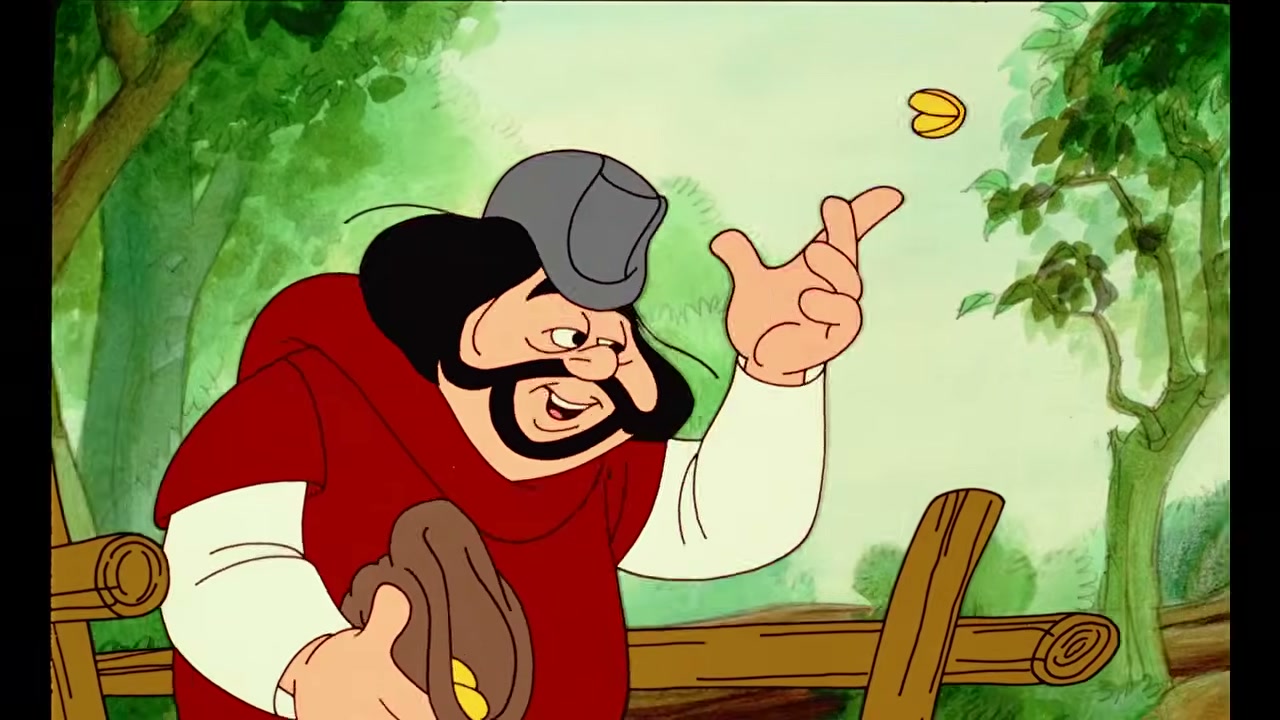
- The Smurfs are not the only stars here; the film still belongs partly to Johan and Peewit, their original comics setting.