Studio: Caprino Filmcenter
Short Plot Synopsis
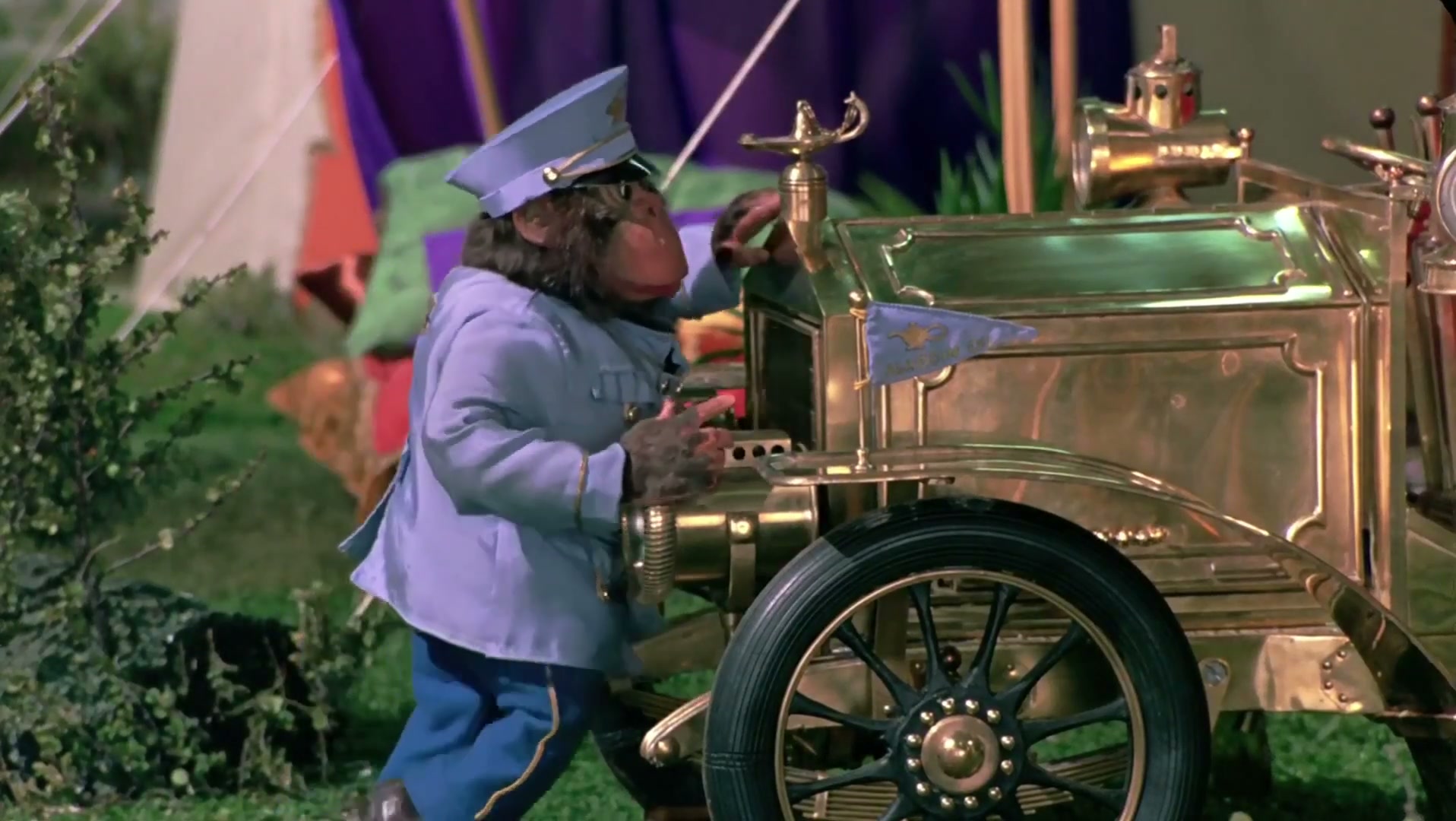
The Pinchcliffe Grand Prix uses stop-motion tactility as part of its appeal. Objects, vehicles, sets, and bodies matter because they feel physically built before they feel photographed.
That handmade quality gives the film a national and artisanal identity, far away from the smoothness of cel-animation factories.
Why Is It Worth Watching?
- It is Norway's beloved stop-motion racing feature, famous for mechanical detail and handmade velocity.
- It captures animation after the classic theatrical era, when television, adult features, international studios, and festival films were all reshaping the medium.
- It helps connect famous late-1970s landmarks to the surrounding works that explain the decade's variety.
Legacy And Impact
The Pinchcliffe Grand Prix proves that feature animation history also belongs to workshops, models, and patient mechanical craft.
In this book, The Pinchcliffe Grand Prix works as evidence that animation history was becoming broader, stranger, and more international during the 1970s.
Its value also comes from the way it preserves a production context, not just a plot: a studio habit, a national style, a television format, or a feature-length experiment.
It also gives this section texture by showing how many animated works survived through regional memory, television recycling, and festival circulation.
Trivia
- The Il Tempo Gigante car became a national icon in Norway, far outgrowing its role as a movie prop.