Studio: Fantasy Films, Bakshi Productions
Short Plot Synopsis
The Lord of the Rings belongs to the 1970s expansion of adult and serious feature animation. It uses fantasy, satire, violence, sexuality, literary adaptation, or social unease to move beyond the family-film assumption.
The point is not only shock. These films test whether animation can carry obsession, myth, ideology, and dread at feature length.
Why Is It Worth Watching?
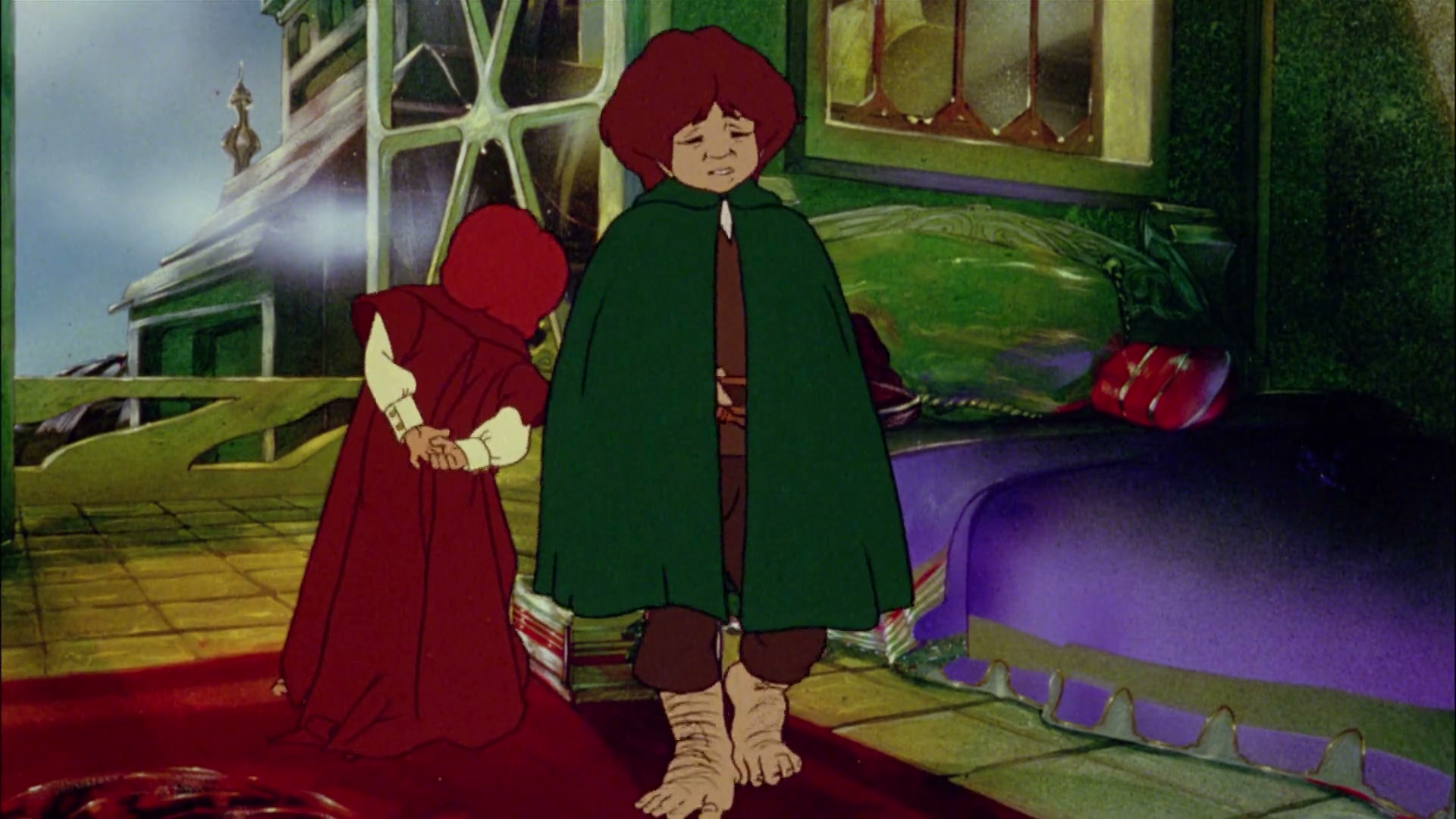
- It attempts Tolkien at epic scale with rotoscoping, live-action reference, and 1970s fantasy ambition.
- It captures animation after the classic theatrical era, when television, adult features, international studios, and festival films were all reshaping the medium.
- It helps connect famous late-1970s landmarks to the surrounding works that explain the decade's variety.
Legacy And Impact
The Lord of the Rings helped widen the idea of what an animated feature could ask from an audience.
In this book, The Lord of the Rings works as evidence that animation history was becoming broader, stranger, and more international during the 1970s.
Its value also comes from the way it preserves a production context, not just a plot: a studio habit, a national style, a television format, or a feature-length experiment.
It also gives this section texture by showing how many animated works survived through regional memory, television recycling, and festival circulation.
Trivia
- The film adapts The Fellowship of the Ring and part of The Two Towers but was released simply as The Lord of the Rings, which frustrated viewers expecting the whole story.