
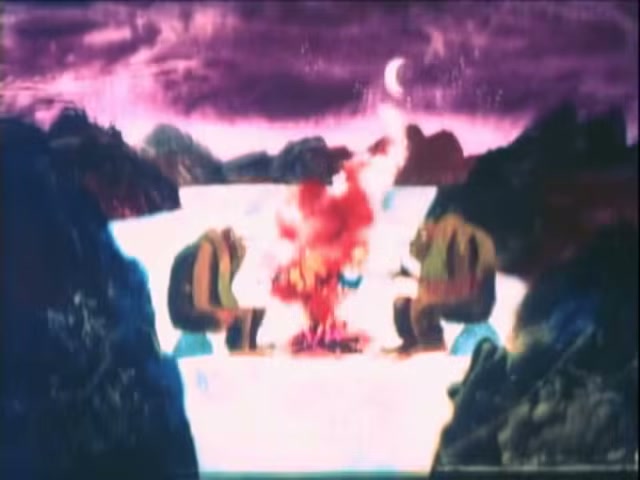
Studio: Rembrandt Films
Short Plot Synopsis
The Hobbit is a design-forward short where the central idea matters as much as character. The cartoon may use abstraction, silence, geometry, music, or a single clean conflict to carry the whole film.
That concentration is very 1960s. Animation was learning to look modern, to move like graphic design, and to win attention without the old studio formulas.
Why Is It Worth Watching?
- It is a strange, compressed pre-Rankin/Bass Tolkien adaptation made partly to preserve screen rights.
- It captures a decade when theatrical shorts were fading while television, international features, and modernist shorts were taking up more space.
- It helps the book connect celebrated landmarks to the surrounding work that made the era legible.
Legacy And Impact
The Hobbit matters because it shows the short cartoon becoming a place for style, wit, and visual argument.
In this book, The Hobbit works as a period marker: it shows how style, format, budget, and audience habits were being renegotiated between 1958 and 1967.
That makes the entry useful not just as a title to remember, but as evidence of how animation was finding new rooms, schedules, and audiences.
Trivia
- Its version of Tolkien is only minutes long, making it more like a rights artifact than a conventional adaptation.


