Studio: Walt Disney Productions
Short Plot Synopsis
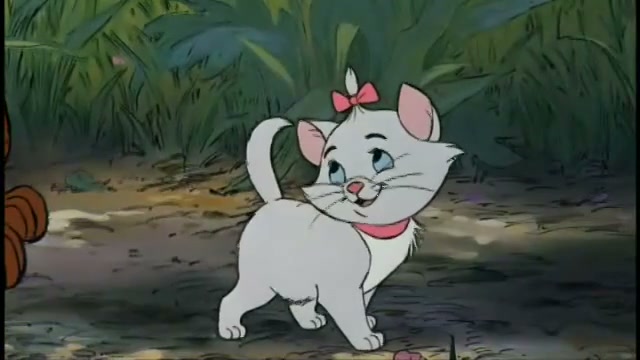
The Aristocats uses Disney feature craft in a leaner post-1960s mode. The story leans on familiar archetypes, songs, and voice personality rather than the lavish finish of earlier decades.
Its importance is partly industrial. Disney was learning how to keep feature animation alive with smaller crews, reused strengths, and characters who could carry merchandise and memory.
Why Is It Worth Watching?
- It shows post-Walt Disney feature animation leaning on personality, music, and recycled comic confidence.
- It captures a moment when television animation, adult features, festival shorts, and international studios were reshaping what cartoons could be.
- It helps connect the decade's famous titles to the less obvious works that explain the medium's range.
Legacy And Impact
The Aristocats belongs to the era when Disney feature animation survived by becoming looser, funnier, and more economical.
In this book, The Aristocats functions as a marker of animation moving through new audiences, new politics, and new distribution habits.
That makes the entry useful not only as an isolated title, but as part of the larger story of cartoons after the classic theatrical era.
Its value also comes from the way it records a changing production culture, where small studios and television pipelines could stand beside theatrical features.
Trivia
- Phil Harris returns as a loose, jazzy animal hero, turning Thomas O'Malley into a cousin of Baloo rather than a storybook archetype.