
Studio: Fleischer Studios
Distributor: Paramount Pictures
Produced by: Max Fleischer
Short Synopsis
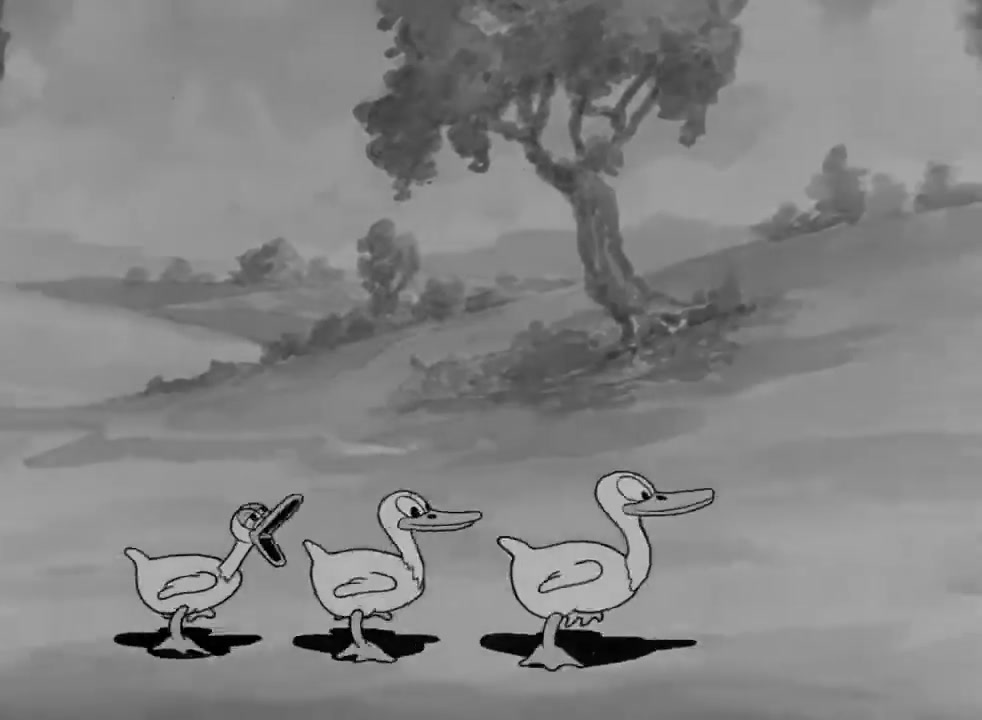
Betty cannot sleep. Her apartment is besieged by the city: riveters, car horns, a radio through the wall, a cat on the fence, a milkman's bottles, a street band, each noise drawn as a visible shock that rattles her bed. She sings the title song in protest, packs a bag and takes the train to the country for a rest cure. The country turns out to be louder. Ducks quack, crickets saw, a woodpecker drills the wall of her cabin, frogs croak in chorus, a cow bellows at the window, mosquitoes dive-bomb the bed, and the dawn chorus starts before she has closed her eyes. Betty gives up, takes the train back to the city, and falls contentedly asleep in her own bed to the sound of riveters and horns.
Why It Matters
- The film is a small comic essay on urban noise, a subject that New York was then debating in earnest, and the Fleischers' habit of drawing sounds as physical objects, horn blasts that bend the furniture, suits it exactly; the reversal, in which the country is the noisier place, is neatly turned.
- It is in the public domain in the United States and is one of the handful of post-Code Betty Boops in which the character carries a cartoon alone, without Pudgy, Grampy or a boyfriend, as a put-upon city woman with a song to sing. Myron Waldman, co-animator, became the main director of the later series.
Notes and Trivia
- New York set up its first Noise Abatement Commission in 1929, and anti-noise campaigns were news in 1935.
- The country-is-louder joke was reused by Warner Bros. in several Porky Pig cartoons.
- See also: Taking the Blame (1935), Swat the Fly (1935), Not Now (1936).


