Studio: Cinema Center Films, Lee Mendelson/Bill Melendez Productions
Short Plot Synopsis
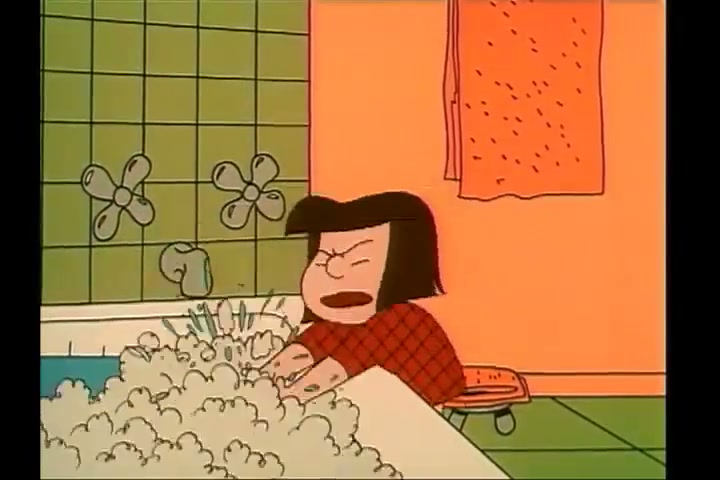
Snoopy, Come Home is a feature-length animated work from a period when the format was spreading beyond Disney dominance. It uses music, literary material, comic melancholy, or television familiarity to justify the longer form.
The film matters because it treats animation as a vessel for sustained mood, not only gag rhythm or spectacle.
Why Is It Worth Watching?
- It gives Peanuts one of its most emotionally direct feature stories, built around Snoopy leaving Charlie Brown.
- It captures a moment when television animation, adult features, festival shorts, and international studios were reshaping what cartoons could be.
- It helps connect the decade's famous titles to the less obvious works that explain the medium's range.
Legacy And Impact
Snoopy, Come Home helps show how the animated feature became more diverse in the years around 1970.
In this book, Snoopy, Come Home functions as a marker of animation moving through new audiences, new politics, and new distribution habits.
That makes the entry useful not only as an isolated title, but as part of the larger story of cartoons after the classic theatrical era.
Its value also comes from the way it records a changing production culture, where small studios and television pipelines could stand beside theatrical features.
Trivia
- The repeated No Dogs Allowed signs turn a road movie into a running visual insult aimed squarely at Snoopy.