
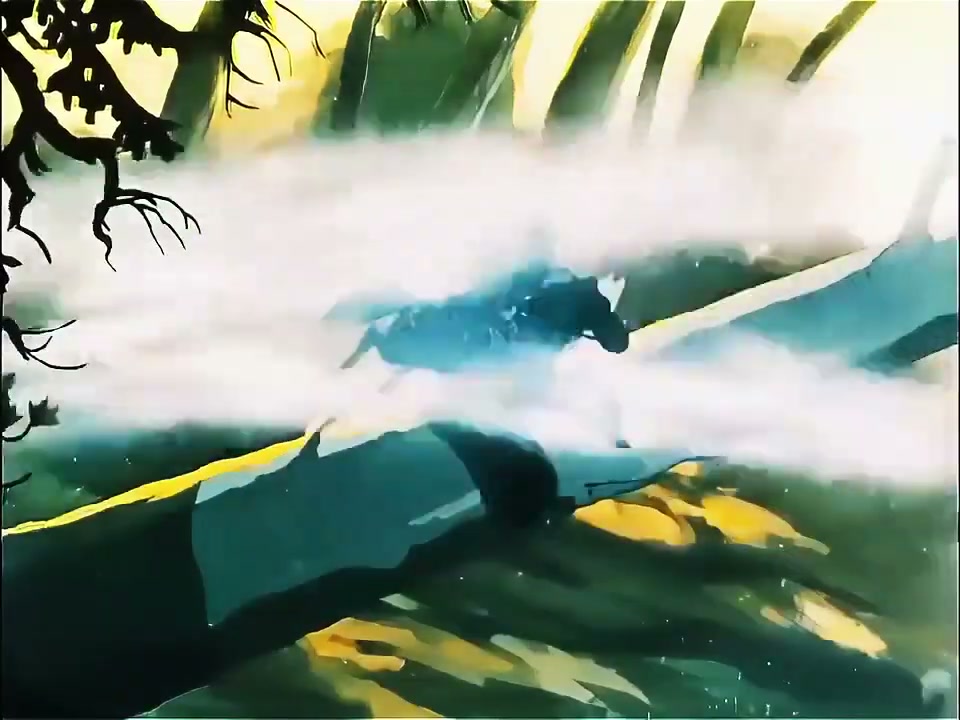
Studio: Soyuzmultfilm
Short Plot Synopsis
Skaz o Chapaieve is part of the wide 1958-1967 animation landscape, when theatrical shorts, television episodes, features, sponsored films, and international festival works all overlapped.
The film's importance is contextual as much as individual. It keeps a studio, national tradition, character line, or production mode visible inside a decade of rapid change.
Why Is It Worth Watching?
- It broadens the canon beyond U.S. studio brands by preserving national styles, folk tales, and festival-era experimentation.
- It captures a decade when theatrical shorts were fading while television, international features, and modernist shorts were taking up more space.
- It helps the book connect celebrated landmarks to the surrounding work that made the era legible.
Legacy And Impact
Skaz o Chapaieve earns its place by showing that animation history is made from many kinds of works, not only the famous features and award winners.
In this book, Skaz o Chapaieve works as a period marker: it shows how style, format, budget, and audience habits were being renegotiated between 1958 and 1967.
That makes the entry useful not just as a title to remember, but as evidence of how animation was finding new rooms, schedules, and audiences.
Trivia
- Its Chapaev reference pulls Soviet hero mythology into an animated folk-story register.


