
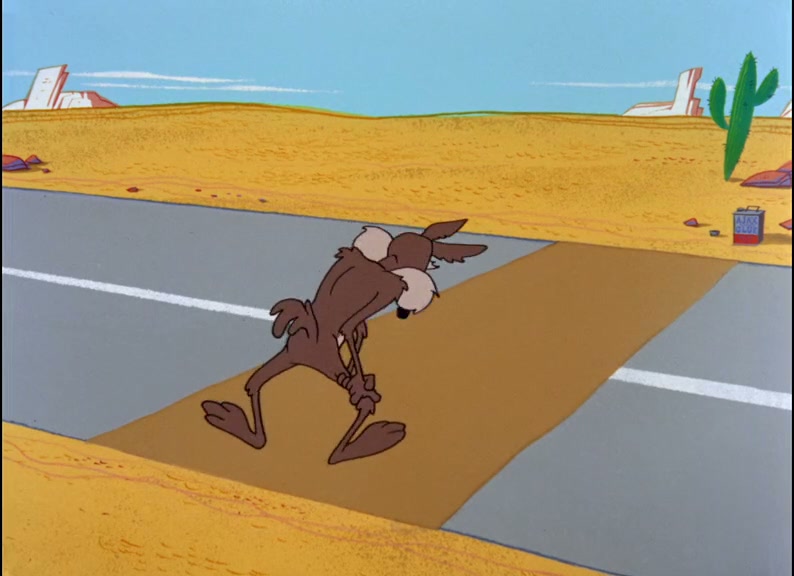
Studio: Warner Bros. Cartoons
Short Plot Synopsis
Rushing Roulette comes from the late Warner theatrical environment, where familiar stars, punning titles, and chase structures still carried the studio identity. The premise is compact and built for fast escalation.
The short is valuable partly because the old machine is under pressure. Budgets, release patterns, and audience habits are changing, but the timing tradition is still visible.
Why Is It Worth Watching?
- It belongs to the late theatrical Warner era, when old characters and Road Runner mechanics were being tested against shrinking budgets.
- It captures a decade when theatrical shorts were fading while television, international features, and modernist shorts were taking up more space.
- It helps the book connect celebrated landmarks to the surrounding work that made the era legible.
Legacy And Impact
Rushing Roulette shows the Looney Tunes tradition in its final theatrical stretch, where personality and formula had to do more with less.
In this book, Rushing Roulette works as a period marker: it shows how style, format, budget, and audience habits were being renegotiated between 1958 and 1967.
That makes the entry useful not just as a title to remember, but as evidence of how animation was finding new rooms, schedules, and audiences.
Trivia
- Rushing Roulette has a specific production footprint in the list, linking its year, format, and national context to animation history.


