
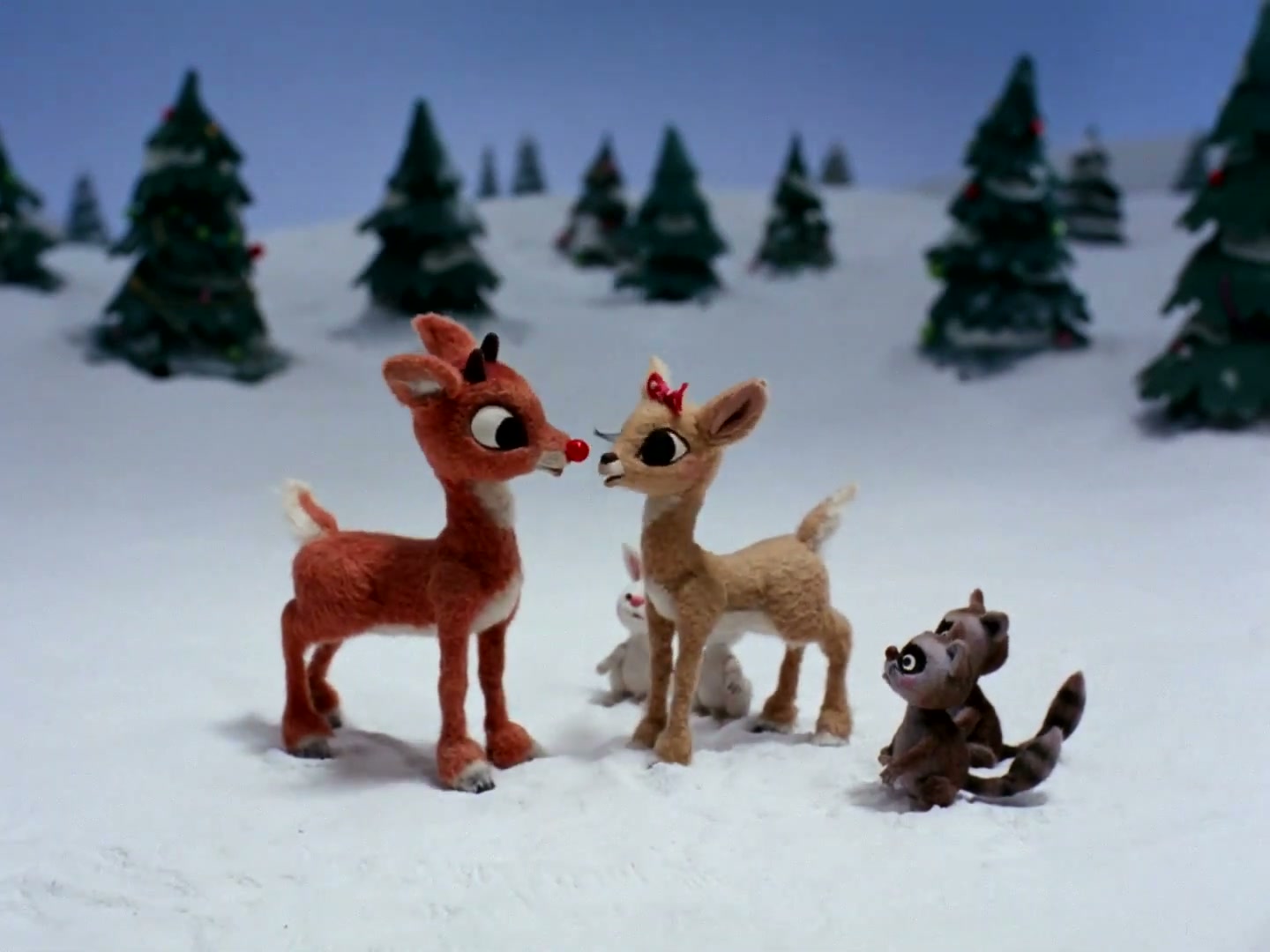
Studio: Videocraft International, Rankin/Bass
Short Plot Synopsis
Rudolph the Red-Nosed Reindeer is built for television but shaped like an event. It uses song, narration, seasonal ritual, or familiar literary material to make a short broadcast feel permanent.
The special's economy is part of its power: a few voices, strong design, and memorable music can make the program feel larger than its runtime.
Why Is It Worth Watching?
- It made stop-motion holiday television into an annual ritual and a durable American Christmas text.
- It captures a decade when theatrical shorts were fading while television, international features, and modernist shorts were taking up more space.
- It helps the book connect celebrated landmarks to the surrounding work that made the era legible.
Legacy And Impact
Rudolph the Red-Nosed Reindeer helped define the animated special as a form audiences could revisit, quote, and fold into family habit.
In this book, Rudolph the Red-Nosed Reindeer works as a period marker: it shows how style, format, budget, and audience habits were being renegotiated between 1958 and 1967.
That makes the entry useful not just as a title to remember, but as evidence of how animation was finding new rooms, schedules, and audiences.
Trivia
- The special's Misfit Toys were popular enough that later broadcasts added a return to their island.


