Studio: Shanghai Animation Film Studio
Short Plot Synopsis
Prince Nezha's Triumph Against Dragon King belongs to the 1979-1983 stretch, when animation was spreading across anime features, adult cult films, television specials, auteur shorts, and international productions.
The entry matters because it catches one part of that spread: a national studio, a fan culture, a literary adaptation, a compilation film, or an experiment in tone.
Why Is It Worth Watching?
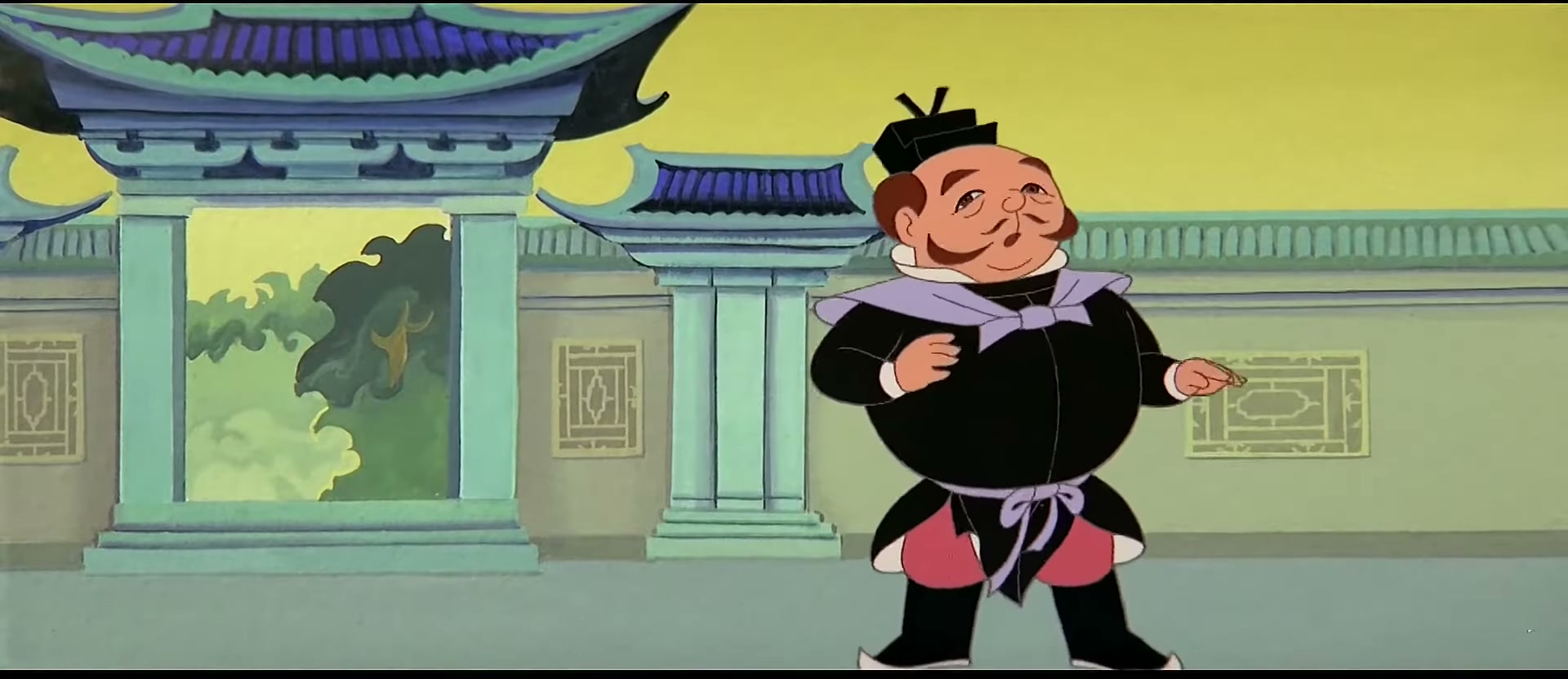
- It is a major Chinese animated feature, combining mythic rebellion with the bold color language of Shanghai animation.
- It captures animation entering the early 1980s with more cult films, anime franchises, television repackaging, and international festival work than ever before.
- It helps connect the decade's famous milestones to the surrounding productions that made the medium feel newly crowded.
Legacy And Impact
Prince Nezha's Triumph Against Dragon King earns its place by showing how wide animation had become by the early 1980s.
In this book, Prince Nezha's Triumph Against Dragon King works as evidence that animation was no longer moving along one main studio road.
Its value also comes from the way it preserves a production context, not just a plot: a studio habit, a national style, a television format, or a feature-length experiment.
It also gives this section texture by showing how many animated works survived through fandom, regional memory, television recycling, and festival circulation.
Trivia
- Nezha's self-sacrifice gives the fantasy a startling emotional severity for a film often remembered for spectacle.