
Studio: Leon Schlesinger Productions (Merrie Melodies)
Distributor: Warner Bros. Pictures
Produced by: Leon Schlesinger
Short Synopsis
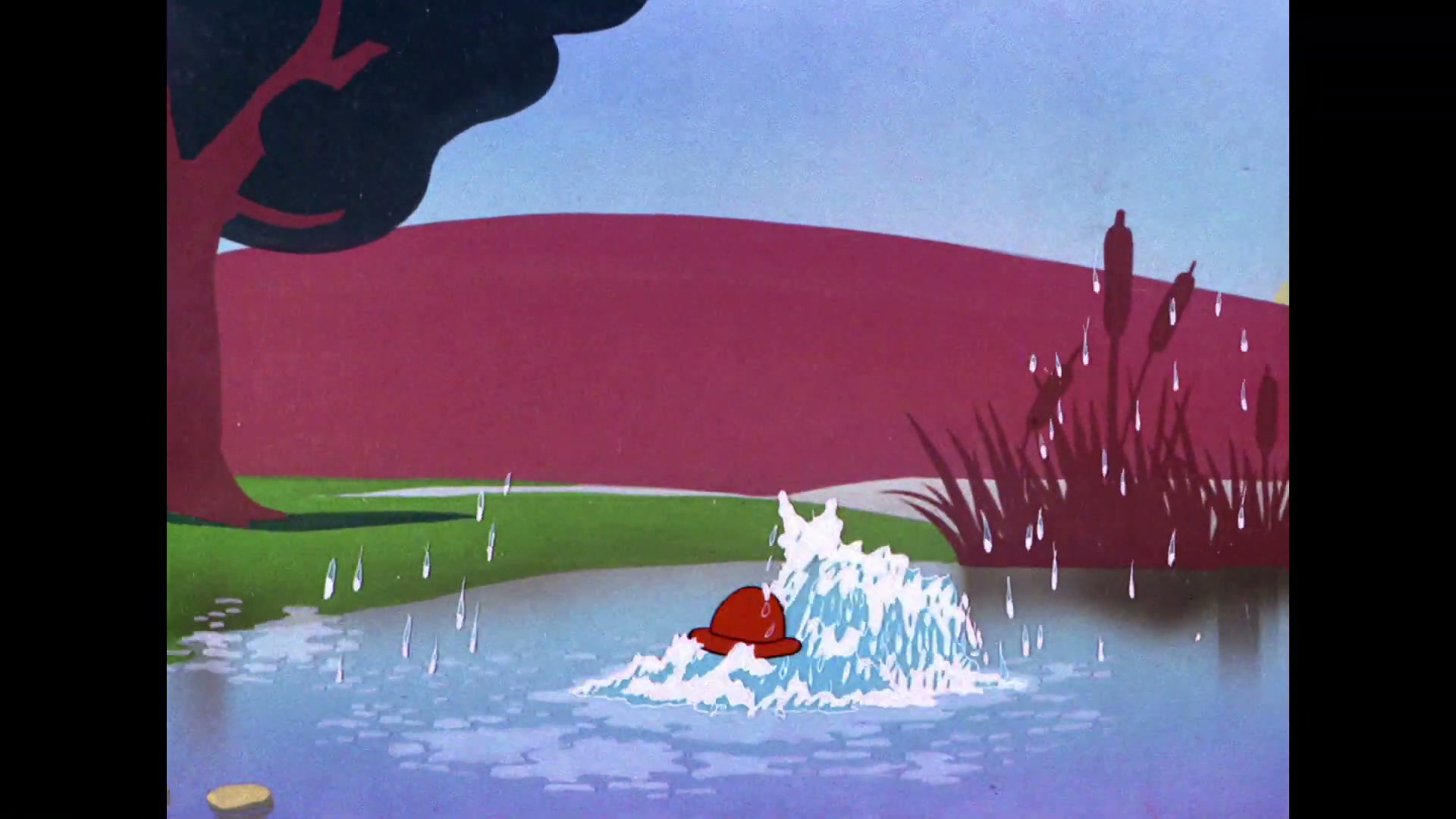
The Big Bad Wolf introduces the story in verse, and the three little pigs introduce themselves, and that is the last dialogue: the rest is danced to Brahms. The first pig throws up a straw house from a kit, the second builds his from matchsticks, which collapse the moment he places the last one, and the third lays bricks while his brothers play the fiddle and flute and dance. The wolf arrives disguised as a gypsy dancer and tries to lure the two silly pigs away with a seductive routine; they see through him, rough him up and dance off wearing bits of his costume. He blows down the straw house and the match house, chases the pigs to the brick one, tries the chimney and the elevator, and ends up falling down the shaft to the beat of the final dance.
Why It Matters
- It is a parody of Disney's Three Little Pigs and of Fantasia at once, done with Freleng's musical precision: every step, blow and fall lands on a beat of the Hungarian Dances, and the wolf's gypsy dance is a brilliant piece of musical caricature. Freleng timed his cartoons to bar sheets like a conductor, and this is the best example of his method before Rhapsody Rabbit.
- It was nominated for the Academy Award for Best Short Subject (Cartoons), losing to Der Fuehrer's Face, and it set the pattern for the Warner studio's mockery of Disney's cultural pretensions, continued in A Corny Concerto later the same year. It was voted into the 50 Greatest Cartoons list in 1994.
Notes and Trivia
- The straw house comes as a prefabricated kit, a joke about wartime prefab housing.
- Freleng returned to the three pigs in Three Little Bops (1957), a jazz version narrated by Stan Freberg.
- The cartoon was reissued as a Blue Ribbon Merrie Melody, and the original titles were lost for decades.
- See also: Three Little Pigs (1933), Der Fuehrer's Face (1943), Rhapsody Rabbit (1946).


