
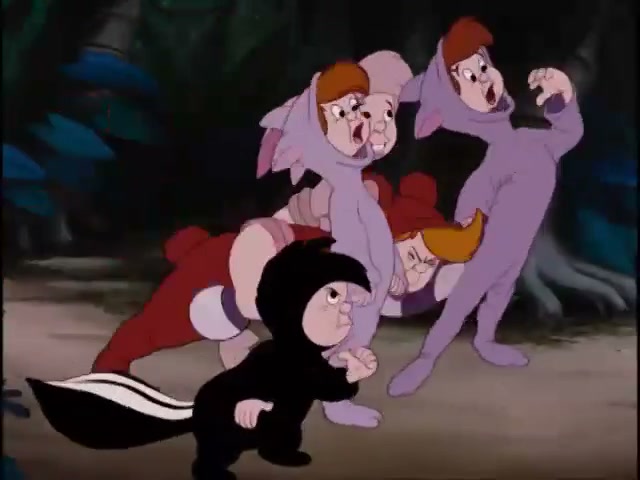
Studio: Walt Disney Productions
Short Plot Synopsis
Peter Pan uses a feature-length fantasy frame to turn childhood, romance, danger, or domestic life into polished Disney spectacle. Its story depends on music, character animation, and a carefully controlled emotional arc.
The film balances comic side characters with sincere feeling, letting the fantasy world feel both theatrical and intimate.
Why Is It Worth Watching?
- It is Disney's definitive Never Land film, with Captain Hook and Tinker Bell becoming especially durable screen figures.
- It captures the 1950s shift from theatrical cartoon dominance toward television, widescreen features, sponsored films, and international festival culture.
- It helps connect famous landmarks to the everyday production patterns that surrounded them.
Legacy And Impact
Peter Pan shows Disney rebuilding and redefining feature animation in the 1950s, after wartime package films and before television fully changed family entertainment.
In this book, Peter Pan earns its place because it helps explain a changing medium: old stars were being refined, modernist studios were challenging house styles, and feature animation was becoming more international.
It also gives this chapter a useful period marker, showing how a single release could carry studio habit, exhibition pressure, and changing audience expectations into a compact cartoon form.
Trivia
- Hans Conried voices both Captain Hook and Mr. Darling, preserving a stage tradition from Peter Pan productions.


