
Studio: Fleischer Studios
Distributor: Paramount Pictures
Produced by: Max Fleischer
Short Synopsis
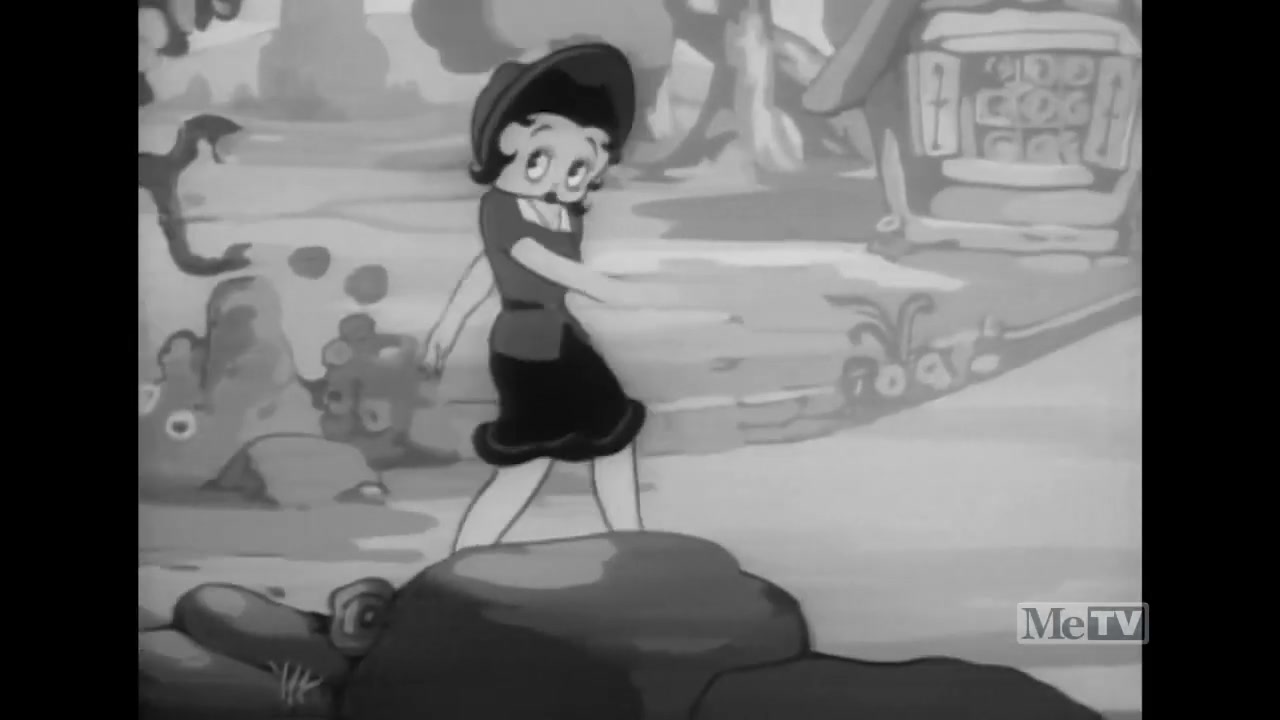
Betty is cook and dishwasher at a busy lunch counter, run off her feet by orders, dirty plates and an impatient boss, and she sings of wanting something new. She quits and takes a job running an automated day nursery, where the babies are fed, changed and rocked by machinery. The machines work until the babies get going: they climb out of the cribs, jam the conveyors, ride the feeding apparatus, flood the floor with milk and reduce the nursery to a riot that makes the lunch counter look restful. Betty, defeated, goes back to her old job and her old sink, and picks up the dishcloth with something like relief as the film ends.
Why It Matters
- The automated nursery is the last of the Fleischer labour-saving machines, inherited from Grampy and the Crazy Inventions, and here it is turned against the heroine; the babies wrecking the equipment are animated with the vigour the studio always found for infants, and the moral, that the old job was not so bad, is pure 1938.
- An unrenewed copyright has left it public domain in the United States. It is one of the first Betty Boops made after the studio's move to Miami in the autumn of 1938, with Margie Hines as the regular voice, and the credits list both Hines and Mae Questel, a sign of the transition.
Notes and Trivia
- Betty's lunch-counter job was topical; the automat and the quick-lunch were the Depression's restaurants.
- Thomas Johnson and Frank Endres animated most of the Miami Betty Boops.
- See also: Buzzy Boop at the Concert (1938), So Does an Automobile (1939), Judge for a Day (1935).


