
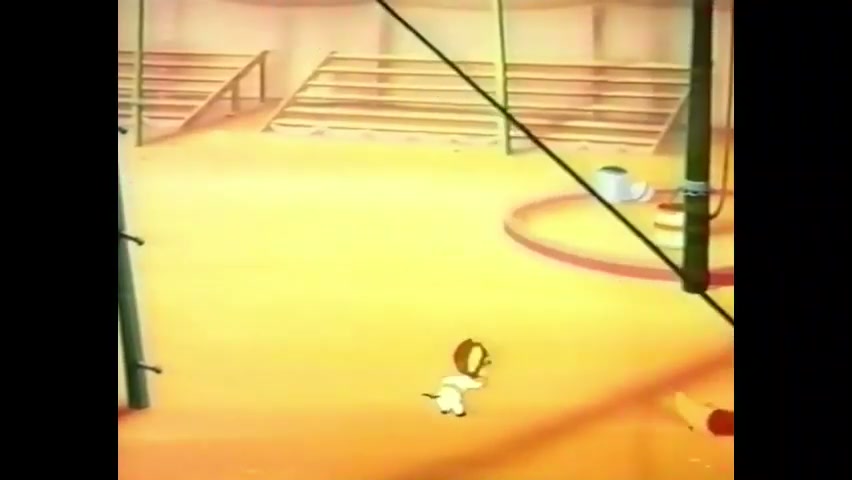
Studio: MGM Cartoons
Short Plot Synopsis
Mouse Trapeze turns pursuit or rivalry into precision mechanics. MGM's animation gives bodies weight, makes impacts musical, and lets domestic spaces become arenas of elegant destruction.
The story is simple because the timing is complex. Every pause, glance, crash, and reversal is part of the design.
Why Is It Worth Watching?
- It shows MGM polishing chase comedy, reaction timing, and musical violence in the final strong years of theatrical shorts.
- It captures the 1950s shift from theatrical cartoon dominance toward television, widescreen features, sponsored films, and international festival culture.
- It helps connect famous landmarks to the everyday production patterns that surrounded them.
Legacy And Impact
Mouse Trapeze shows why MGM remained vital in theatrical shorts even as the market tightened. Its best cartoons make violence look choreographed and inevitable.
In this book, Mouse Trapeze earns its place because it helps explain a changing medium: old stars were being refined, modernist studios were challenging house styles, and feature animation was becoming more international.
It also gives this chapter a useful period marker, showing how a single release could carry studio habit, exhibition pressure, and changing audience expectations into a compact cartoon form.
Trivia
- The circus-trapeze premise gives Jerry vertical space to weaponize, changing the usual floor-level chase geometry.


