
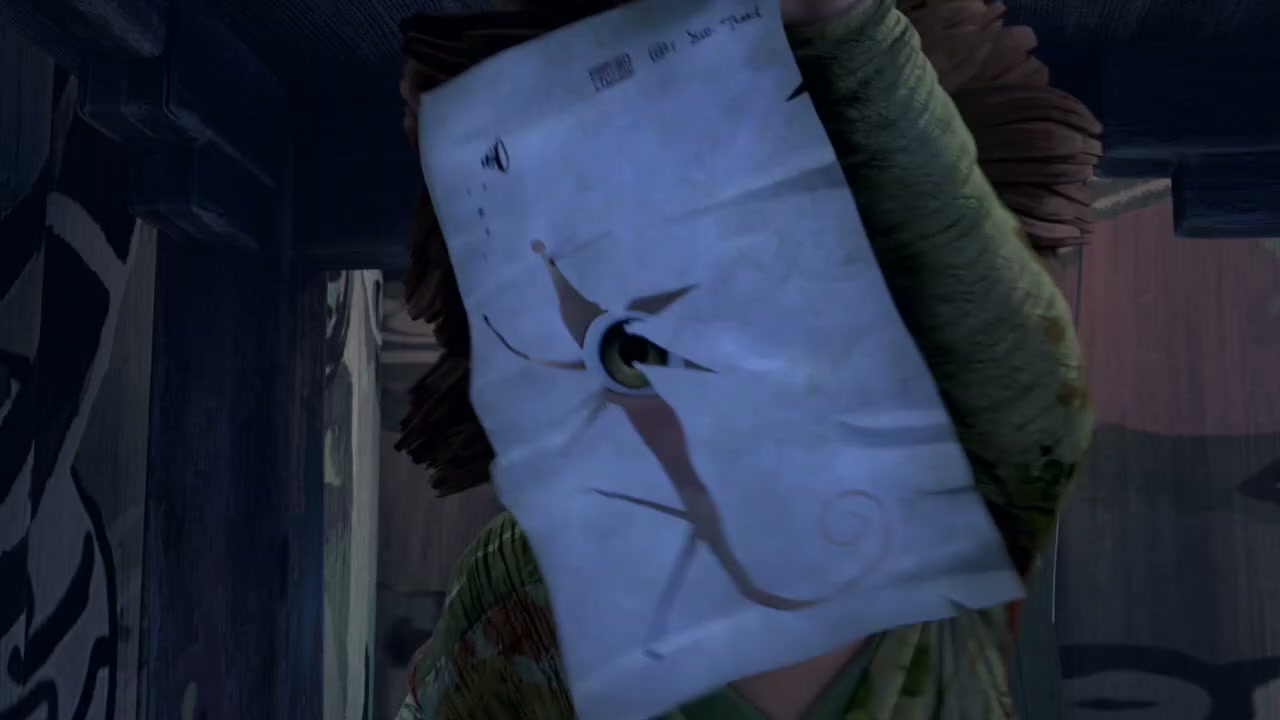
Studio: Shanghai Animation Film Studio
Short Plot Synopsis
Magic Brush represents animation developing outside the dominant Hollywood theatrical pipeline. Its story draws on folklore, modernist design, sponsored-film aims, or national studio traditions rather than American character formulas.
The pacing and design may differ sharply from Warner, Disney, or MGM shorts, which is exactly why the film belongs in a broad canon.
Why Is It Worth Watching?
- It is a key early Chinese animated fairy tale about art, justice, and power.
- It captures the 1950s shift from theatrical cartoon dominance toward television, widescreen features, sponsored films, and international festival culture.
- It helps connect famous landmarks to the everyday production patterns that surrounded them.
Legacy And Impact
Magic Brush expands the map of animation history. It keeps local, experimental, and non-U.S. production visible as the medium moved toward television and international festivals.
In this book, Magic Brush earns its place because it helps explain a changing medium: old stars were being refined, modernist studios were challenging house styles, and feature animation was becoming more international.
It also gives this chapter a useful period marker, showing how a single release could carry studio habit, exhibition pressure, and changing audience expectations into a compact cartoon form.
Trivia
- The magic-brush motif became one of Chinese animation's most recognizable folk-fantasy ideas.


