
Studio: Fleischer Studios
Distributor: Paramount Pictures
Produced by: Max Fleischer
Short Synopsis
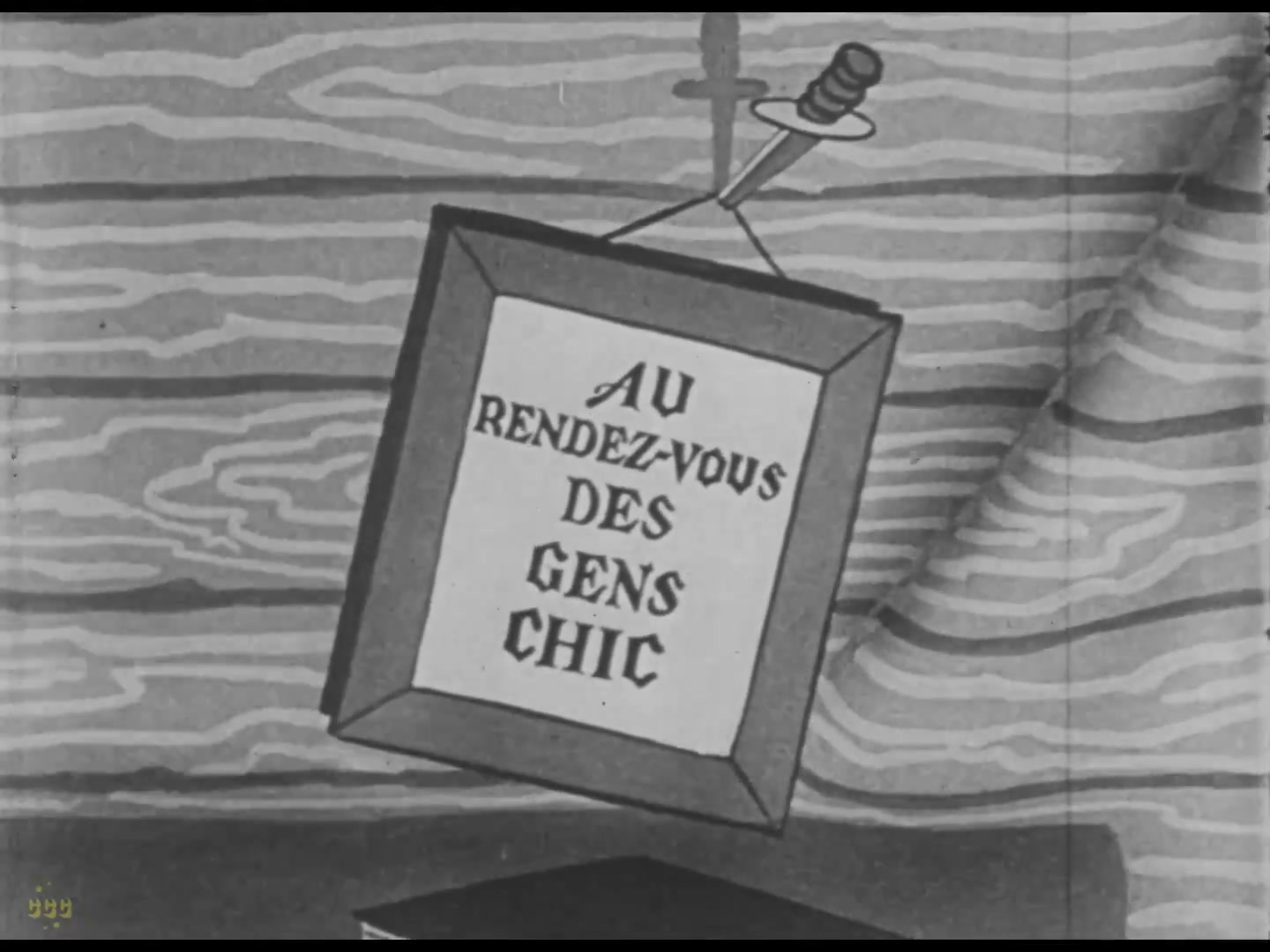
The film is a stage melodrama performed for a cartoon audience. Betty is a poor girl in the Klondike who, to keep from starving, sings in a saloon run by a rat of a proprietor who has designs on her. Her song is about longing for an honest man to take her away from all this, and a Mountie passing the saloon hears it and is smitten. The villain gets the Mountie into his power, pins him to the wall and switches on a buzz-saw death trap, then carries Betty off to a cabin in the snow. The Mountie frees himself with the saw inches away, pursues them across the ice, bursts into the cabin, thrashes the villain and rescues Betty, and the play ends with the curtain falling on the hero, the heroine and the audience's applause.
Why It Matters
- It is the second of the Betty Boop melodrama parodies, after No! No! A Thousand Times No!!, and the Klondike setting, the buzz saw and the Mountie are a complete inventory of the genre's furniture, played with the Fleischers' stagey knowingness; the saloon song is one of Mae Questel's last torch numbers for the character.
- The film is in the public domain in the United States, and it was among the last Betty Boops made before the studio's move to Miami later in 1938, after which Margie Hines took over the voice; it is also one of the last films Lillian Friedman animated at Fleischer's.
Notes and Trivia
- The title is a stock phrase from Victorian sentimental songs.
- Mounties and buzz saws were already parody material by 1938; Chaplin had done the Klondike in The Gold Rush.
- See also: No! No! A Thousand Times No!! (1935), Pudgy and the Lost Kitten (1938), Buzzy Boop (1938).


