
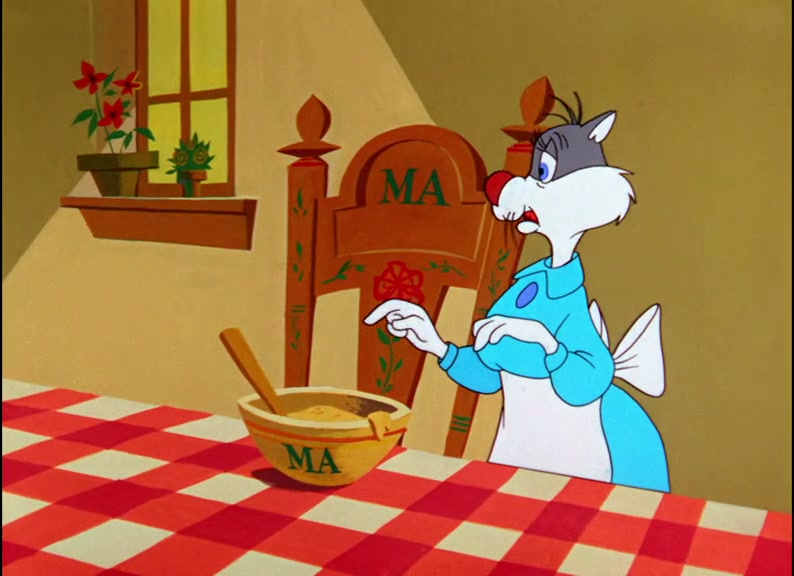
Studio: MGM Cartoons
Short Plot Synopsis
Goldimouse and the Three Cats is part of the wide 1958-1967 animation landscape, when theatrical shorts, television episodes, features, sponsored films, and international festival works all overlapped.
The film's importance is contextual as much as individual. It keeps a studio, national tradition, character line, or production mode visible inside a decade of rapid change.
Why Is It Worth Watching?
- It shows MGM-associated animation after the classic Hanna-Barbera period, when familiar chase grammar was being reworked by new hands.
- It captures a decade when theatrical shorts were fading while television, international features, and modernist shorts were taking up more space.
- It helps the book connect celebrated landmarks to the surrounding work that made the era legible.
Legacy And Impact
Goldimouse and the Three Cats earns its place by showing that animation history is made from many kinds of works, not only the famous features and award winners.
In this book, Goldimouse and the Three Cats works as a period marker: it shows how style, format, budget, and audience habits were being renegotiated between 1958 and 1967.
That makes the entry useful not just as a title to remember, but as evidence of how animation was finding new rooms, schedules, and audiences.
Trivia
- The title "Goldimouse and the Three Cats" sets up a chase or reversal that depends on timing more than plot complexity.


