
Studio: Leon Schlesinger Productions (Merrie Melodies)
Distributor: Warner Bros. Pictures
Produced by: Leon Schlesinger
Short Synopsis
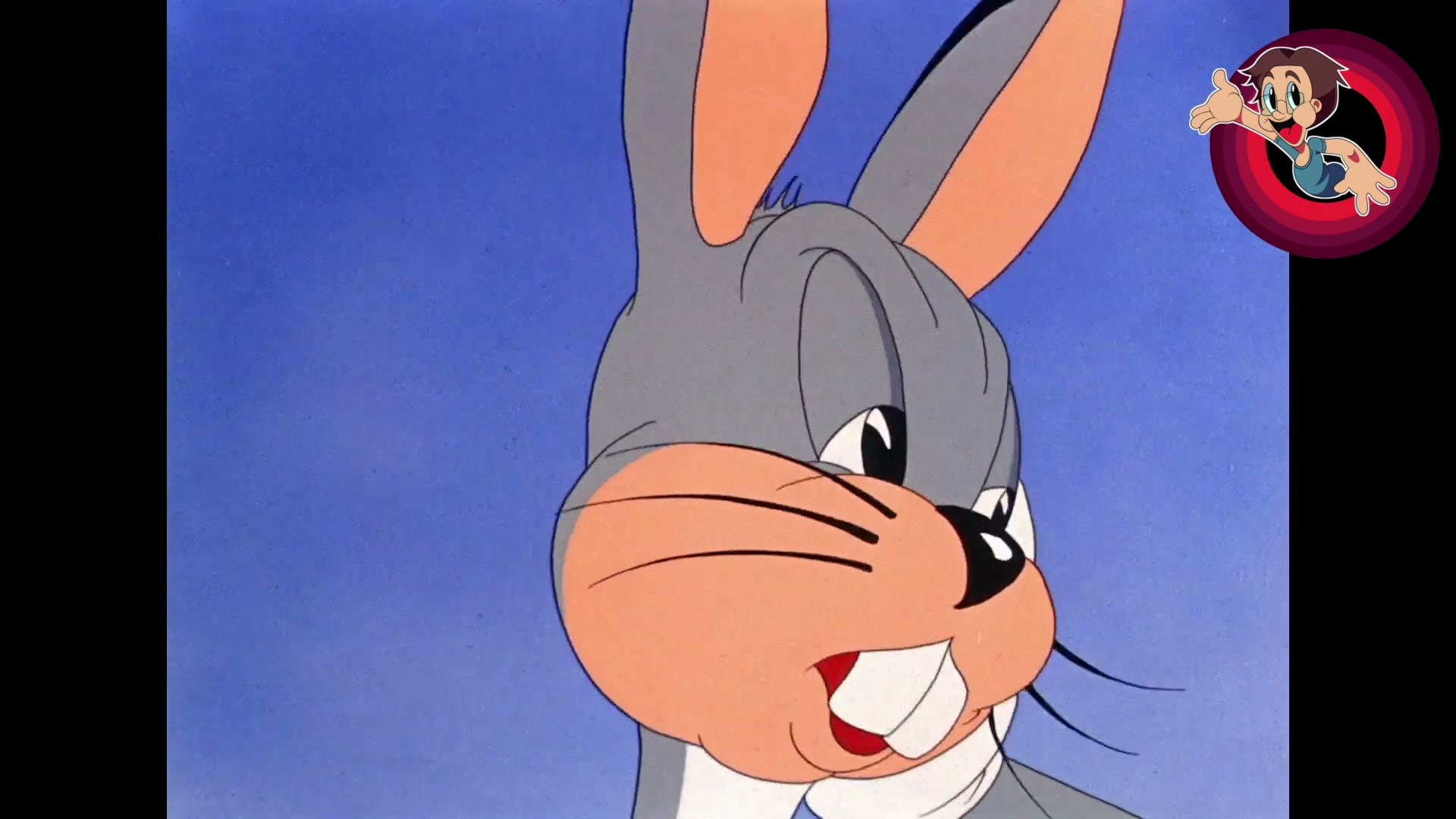
Elmer Fudd, with a book on wildlife photography and a new camera, goes into the woods to shoot nature. He wakes a sleeping rabbit, who is so amused that Elmer cannot recognise a rabbit that he decides to torment him. He tricks Elmer into walking into an apple tree while photographing a squirrel, spoils his shot of a bird, lets himself be netted and plays dead until Elmer, stricken, gives up, then nets Elmer instead. Elmer loses his mind, smashes his camera and tries to drown himself in the lake; the rabbit pulls him out and pushes him back in, repeatedly, and the film ends with Elmer sodden and the rabbit, hopping off, as pleased with himself as ever.
Why It Matters
- It is the fourth proto-Bugs film and the one in which the two halves of the Bugs and Elmer act first meet: Arthur Q. Bryan's Elmer, with his "w" for "r" and his sweet stupidity, is fully formed here, and Jones's rabbit, still slow and quiet, is the straight man's straight man. Tex Avery would combine the two with a faster rabbit four months later in A Wild Hare.
- The film has been widely shown as an early Bugs cartoon, though the rabbit is unnamed and not quite the character. Jones later remade the premise, with the real Bugs, as Elmer's Pet Rabbit and, decades on, acknowledged this as the moment Elmer became a star.
Notes and Trivia
- Marion Darlington supplied the bird whistles, as she did for Disney's Snow White.
- Elmer's design here, with the long chin and derby, still shows his ancestry in the character Egghead.
- See also: Hare-um Scare-um (1939), A Wild Hare (1940), The Wabbit Who Came to Supper (1942).


