
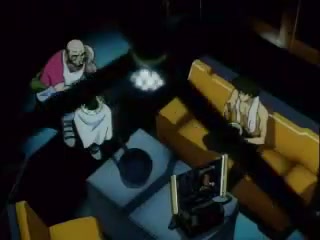
Studio: Sunrise
Short Plot Synopsis
Asteroid Blues is treated here as a specific television episode: Cowboy Bebop, season 1, episode 1. Its plot matters, but its larger job is to show how quickly television animation changed in the 1990s.
These episodes often define tone more than continuity: deadpan satire, adult absurdism, crude shock, anime cool, or childlike surrealism.
Why Is It Worth Watching?
- It introduces Cowboy Bebop through crime, jazz, hunger, and melancholy rather than exposition.
- It captures the last phase of the book's timeline, when hand-drawn features, television pilots, stop-motion shorts, direct-to-video sequels, anime, and CGI all coexisted.
- It helps connect the final landmarks to the industrial shifts that would dominate animation after 2000.
Legacy And Impact
Asteroid Blues helps explain why late-1990s animation is remembered through pilots and signature episodes as much as through feature films.
In this book, Asteroid Blues works as part of the closing argument: animation had become a plural medium, not a single studio tradition.
Its value also comes from the way it preserves a production context, not just a plot: a studio habit, a national style, a television format, or a feature-length experiment.
Trivia
- The famous bell peppers and beef joke has no beef, immediately defining the show's broke-cool mood.


