
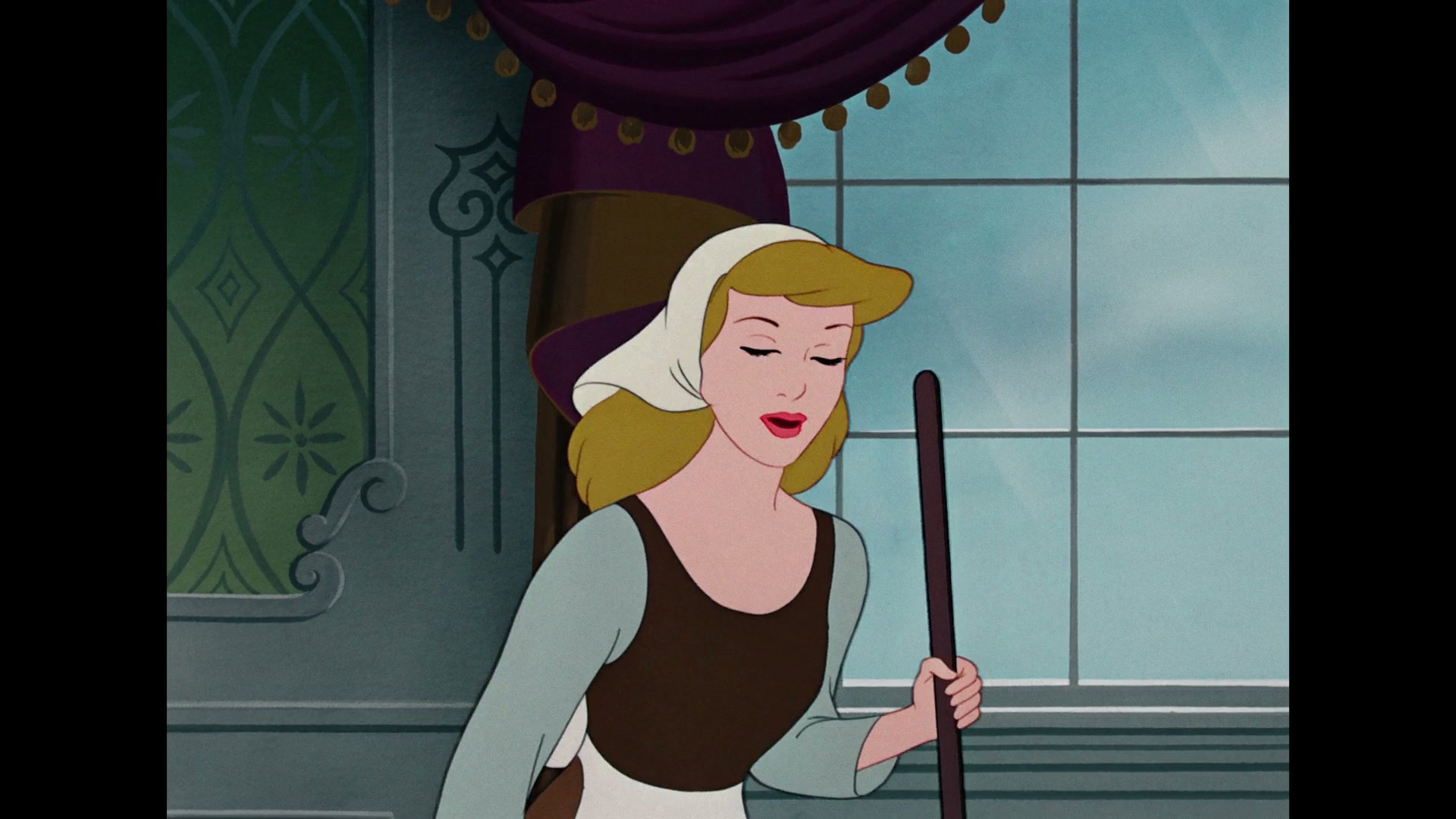
Studio: Walt Disney Productions
Short Plot Synopsis
Cinderella uses fairy-tale structure to organize romance, transformation, comic side characters, and a heroine whose endurance is rewarded by magic and recognition. The story is familiar, but Disney's version turns objects, animals, and songs into emotional architecture.
Its appeal depends on polish: careful acting, elegant color, memorable voices, and comic business from animals and villains.
Why Is It Worth Watching?
- It revived Disney feature animation after the wartime package years and became one of the studio's defining fairy tales.
- It captures a specific mid-century pressure: postwar studio competition, recurring-character refinement, international production, or changing feature strategy.
- It helps connect famous milestones to the ordinary release patterns that surrounded them.
Legacy And Impact
Cinderella was crucial for Disney's postwar recovery. It restored confidence in the studio's full-length fairy-tale model and became one of its most durable popular myths.
In a chronological animation canon, Cinderella matters because it shows the medium in motion: borrowing old stories, sharpening familiar stars, testing new styles, and adapting to a theatrical market that was about to change dramatically.
Trivia
- Cinderella has a specific production footprint in the list, linking its year, format, and national context to animation history.
- The film arrived after years of wartime package features and helped return Disney to single-story animated features.
- Its short running time means the premise has to announce itself quickly and resolve through image, rhythm, or personality.


