
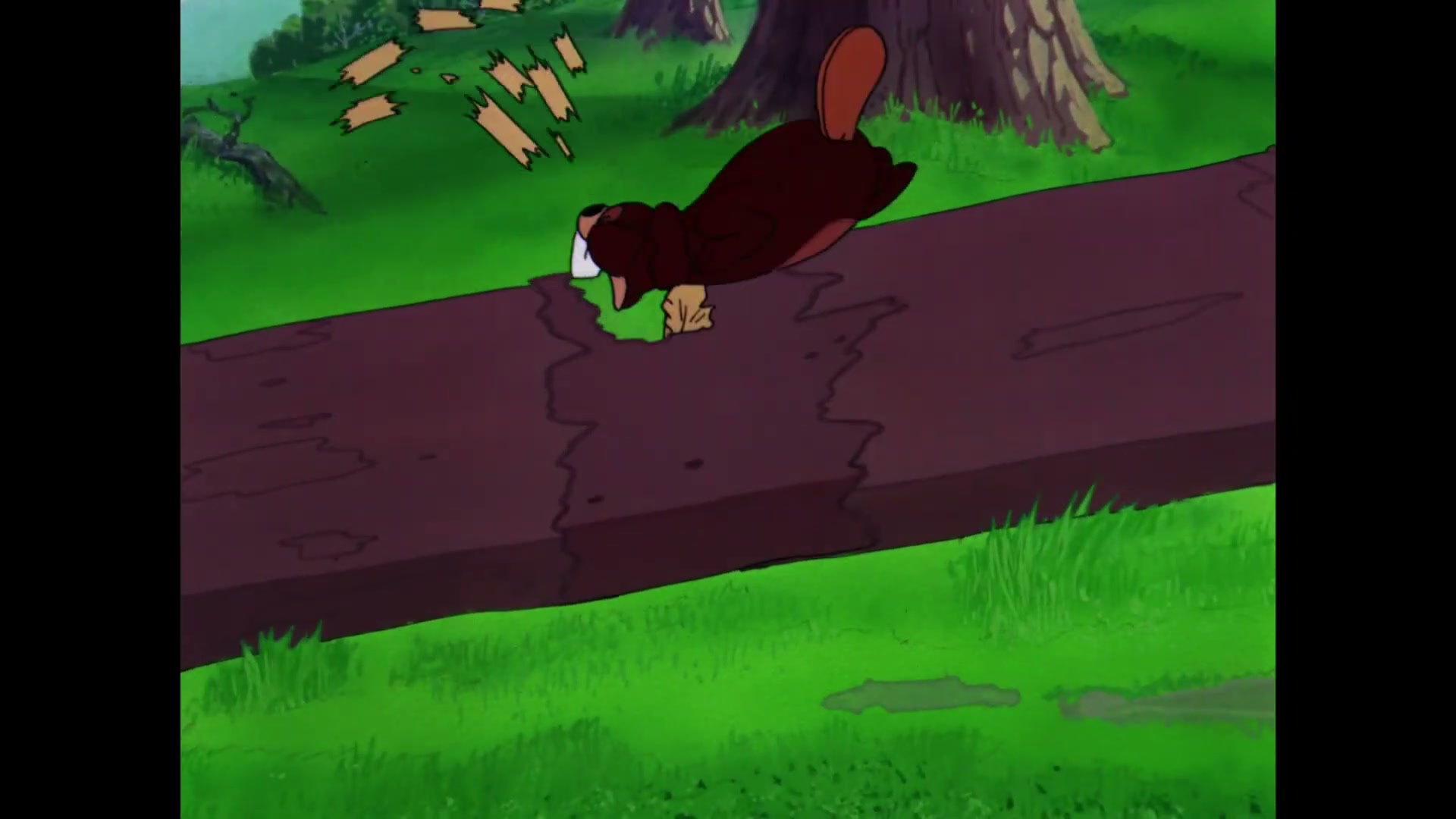
Studio: MGM Cartoons
Short Plot Synopsis
Busybody Bear turns pursuit, rivalry, or domestic conflict into tightly timed animation. MGM's house style gives the violence weight and elegance: bodies squash, objects shatter, and music stitches the impacts together.
The story is simple by design. What matters is the engineering of escalation, delay, retaliation, and payoff.
Why Is It Worth Watching?
- It shows MGM cartoons developing chase timing, elegant violence, and highly musical comic structure.
- It captures a specific mid-century pressure: postwar studio competition, recurring-character refinement, international production, or changing feature strategy.
- It helps connect famous milestones to the ordinary release patterns that surrounded them.
Legacy And Impact
Busybody Bear helps explain why MGM became a major force in short animation. Its cartoons could be lush, brutal, precise, and musical at the same time.
In a chronological animation canon, Busybody Bear matters because it shows the medium in motion: borrowing old stories, sharpening familiar stars, testing new styles, and adapting to a theatrical market that was about to change dramatically.
Trivia
- Busybody Bear has a specific production footprint in the list, linking its year, format, and national context to animation history.
- Scott Bradley's scores often behave like another character, anticipating and intensifying the action.
- Its short running time means the premise has to announce itself quickly and resolve through image, rhythm, or personality.


