
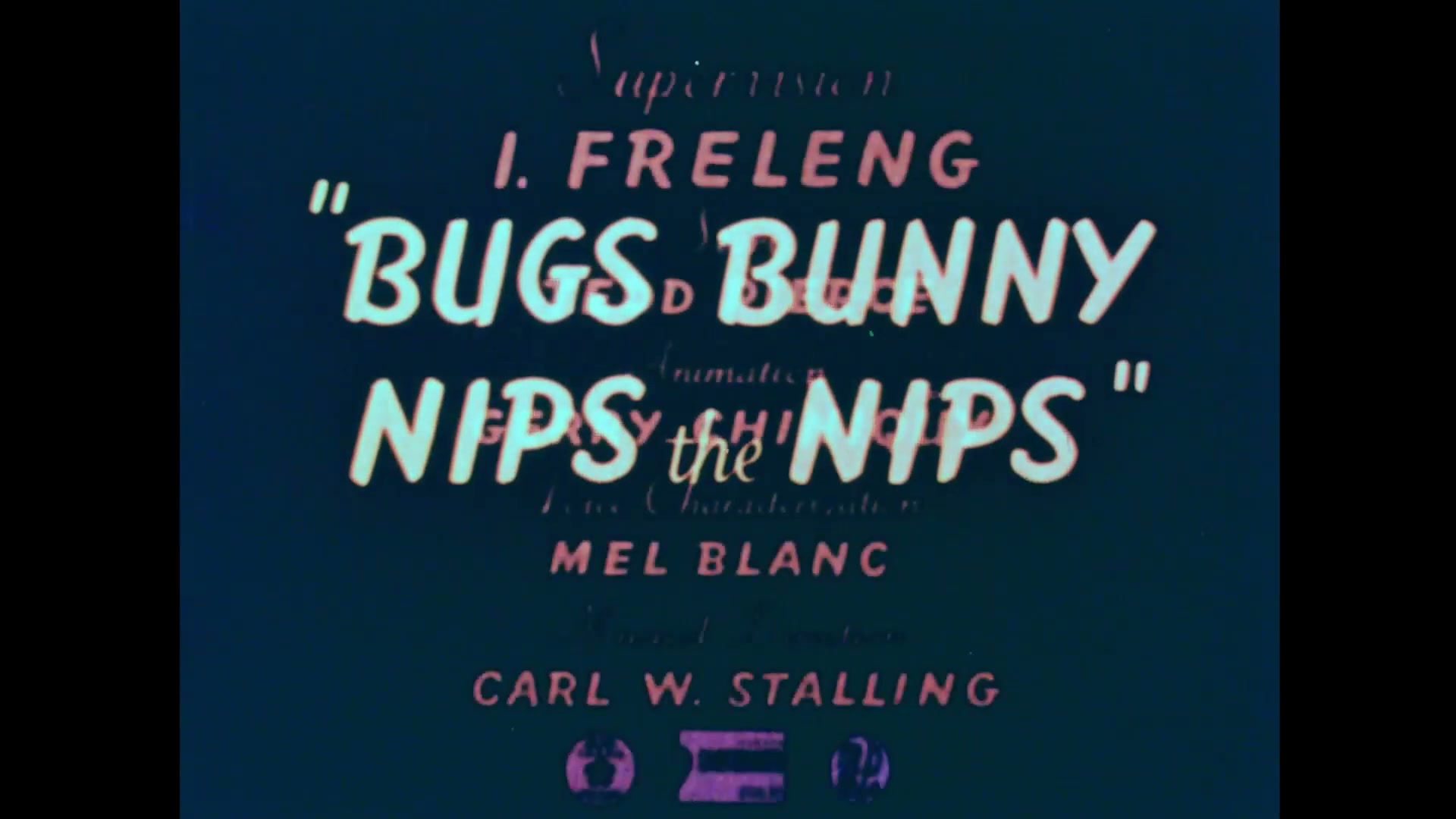
Studio: Warner Bros. Cartoons
Short Plot Synopsis
Bugs Bunny Nips the Nips uses a familiar cartoon framework for World War II propaganda. Its enemy caricatures are racist and dehumanizing, so the short now requires historical framing rather than casual nostalgia.
The plot pushes comedy toward combat, sabotage, and national messaging. What might once have been sold as topical humor now reads as evidence of how animation participated in wartime prejudice.
Why Is It Worth Watching?
- It is historically important as wartime propaganda, but its racist caricature must be confronted directly.
- It captures a specific pressure point in 1940s animation: war, studio rivalry, new stars, or feature ambition.
- It helps explain how theatrical cartoons changed as audiences, censorship, and global politics changed around them.
Legacy And Impact
Bugs Bunny Nips the Nips is worth documenting because animation history includes harmful films as well as beloved ones. Keeping it in view makes the medium's wartime politics harder to sanitize.
For a book built around one thousand and one historically important cartoons, Bugs Bunny Nips the Nips matters because it is not isolated. It sits inside a web of studios, characters, propaganda needs, music trends, and international production experiments that shaped what animation could become.
Trivia
- Bugs Bunny Nips the Nips uses an established Warner character, so the short can start from personality instead of exposition.
- Modern screenings usually require context because the film includes racist wartime imagery.
- Its compact running time made every gag, song, or message carry more structural weight than it would in a feature.


