
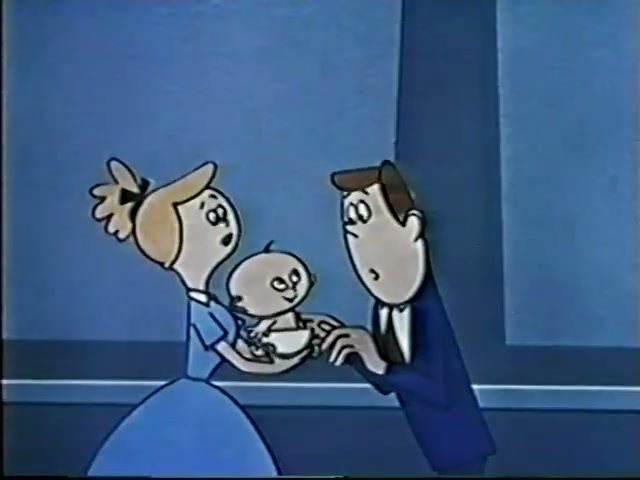
Studio: Hanna-Barbera Productions
Short Plot Synopsis
Bouncing Benny belongs to the limited-animation television boom. The story is usually direct: a scheme, misunderstanding, chase, household problem, or workplace annoyance that can be staged quickly and clearly.
Its charm depends on voice and rhythm. The drawings do less moving, but the characters become repeatable personalities that audiences can recognize instantly.
Why Is It Worth Watching?
- It shows how television animation made personality, voice, and repeatable situations more important than theatrical fullness.
- It captures a decade when theatrical shorts were fading while television, international features, and modernist shorts were taking up more space.
- It helps the book connect celebrated landmarks to the surrounding work that made the era legible.
Legacy And Impact
Bouncing Benny helps document the shift from theatrical abundance to television efficiency, one of the most important changes in mid-century animation.
In this book, Bouncing Benny works as a period marker: it shows how style, format, budget, and audience habits were being renegotiated between 1958 and 1967.
That makes the entry useful not just as a title to remember, but as evidence of how animation was finding new rooms, schedules, and audiences.
Trivia
- The title "Bouncing Benny" sounds like a sitcom problem, which is exactly how limited animation turned premise into repeatable television rhythm.


