
Studio: Fleischer Studios
Distributor: Paramount Pictures
Produced by: Max Fleischer
Short Synopsis
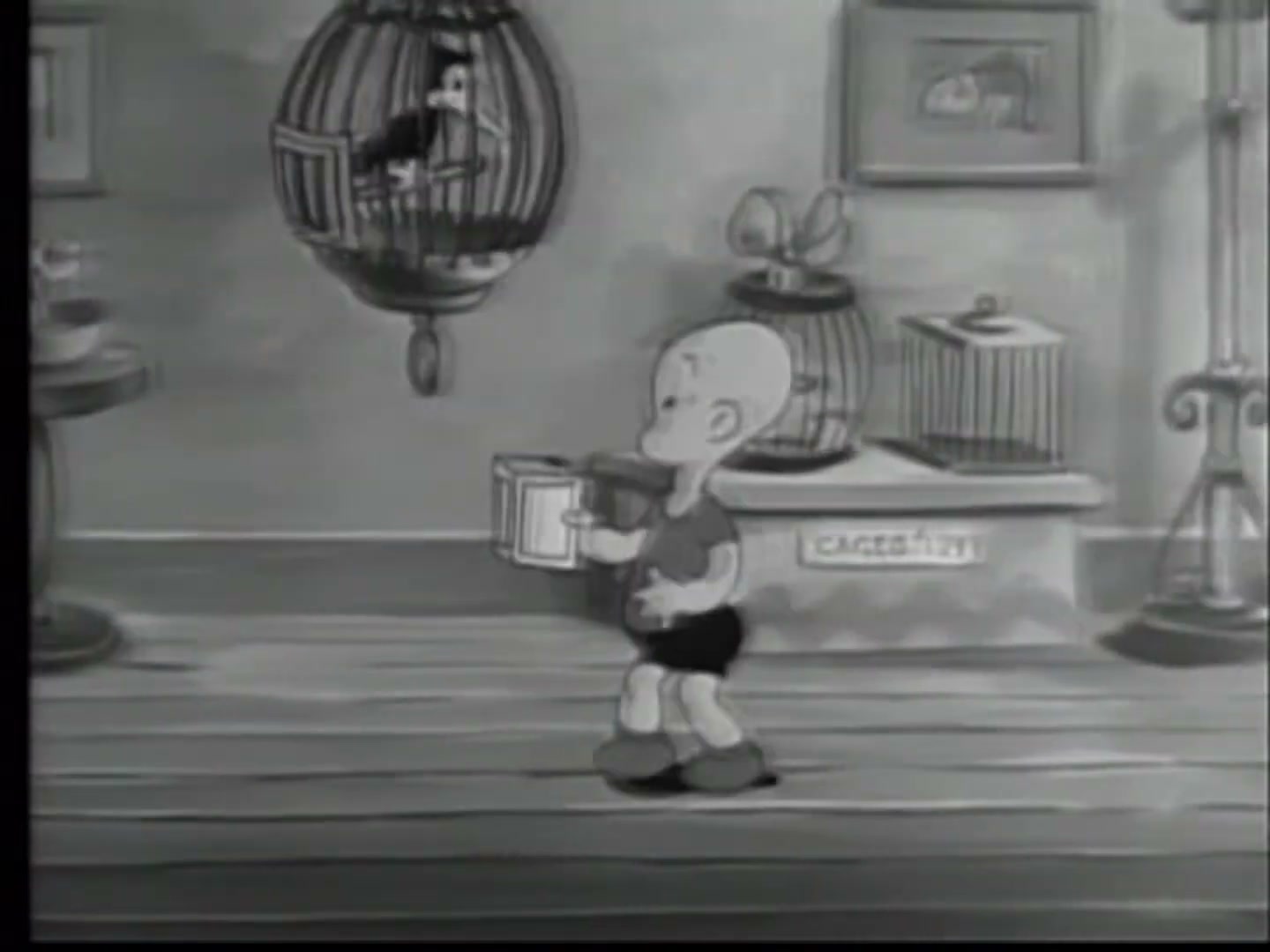
Betty runs a pet shop, and Henry, the bald, mute small boy of Carl Anderson's newspaper strip, stands outside with his nose to the glass, longing for a puppy he cannot afford. Betty takes him on to mind the shop while she goes out. Left alone, Henry is immediately overrun: the monkeys get out of their cage and loose the birds, the puppies and the rest of the stock, and the shop becomes a riot of animals which Henry chases silently round the shelves, with every attempt to recapture one freeing two more. By the time Betty returns he has, by luck and persistence, got everything back behind bars, and she rewards him with the puppy. The film ends with Henry walking off with his dog. Reliable documentation of the cartoon is thin beyond the credits and the release date, and the account above is drawn from the film itself.
Why It Matters
- Henry, a pantomime character in print, is a natural for a cartoon, and the Fleischers keep him silent throughout, which makes him unique among their stars; the pet-shop riot gives the animators a menagerie to play with, and the film is one of the few 1930s cartoons built on a newspaper strip other than the studio's own Popeye.
- The film is in the public domain in the United States, and it is a minor curiosity of the Betty Boop series: an attempt to launch a second strip character, after Popeye's success, that went no further. Its title was the strip's syndication slogan.
Notes and Trivia
- Anderson's Henry had begun in the Saturday Evening Post in 1932 and was syndicated by King Features, which also owned Popeye.
- Henry did not speak in the strip either, apart from a few early episodes.
- See also: Popeye the Sailor (1933), Betty Boop and the Little King (1936), Making Stars (1935).


