
Studio: Fleischer Studios
Distributor: Paramount Pictures
Produced by: Max Fleischer
Short Synopsis
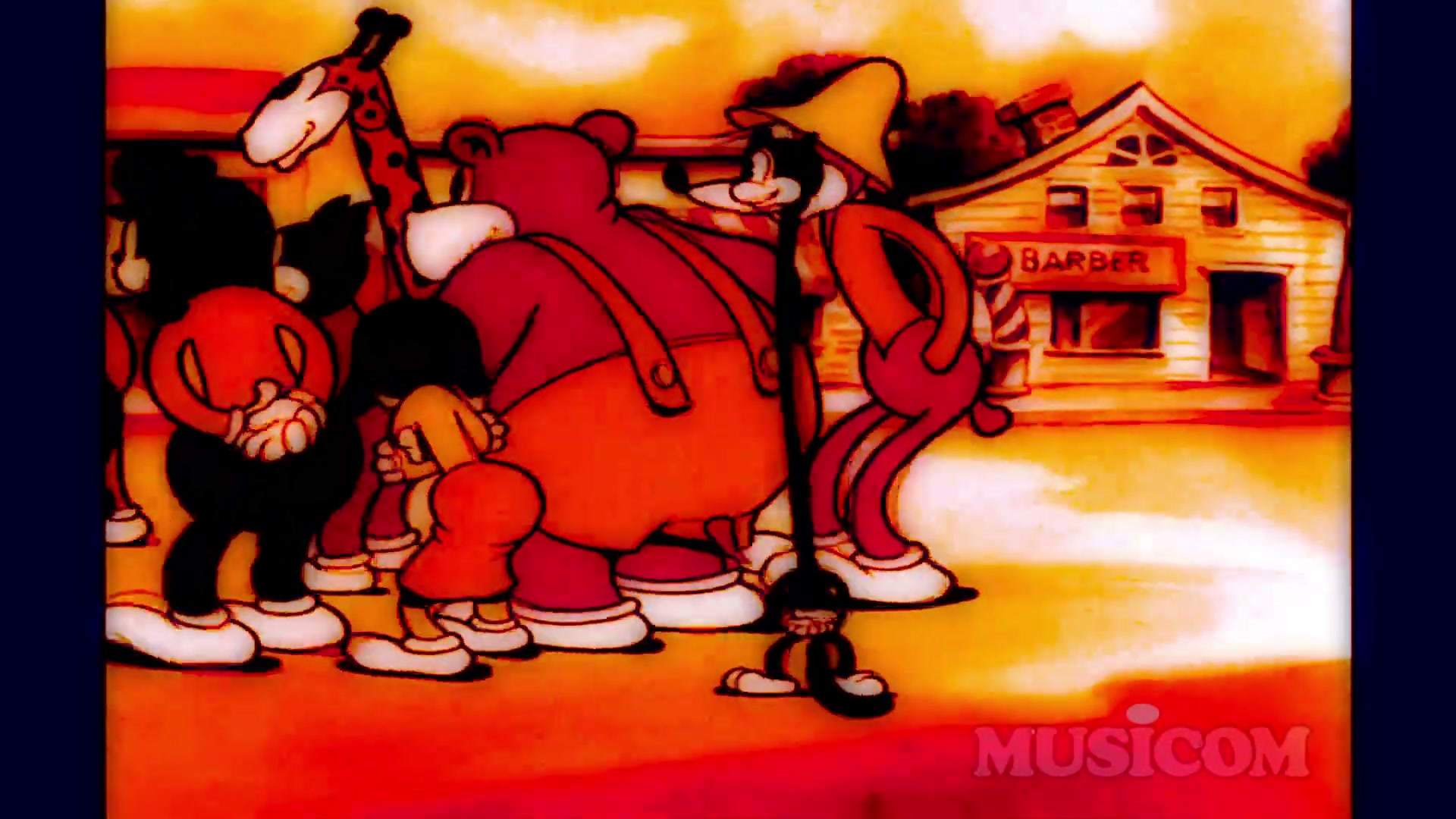
Betty Boop, Bimbo and Koko the Clown run a travelling medicine show, selling Jippo, an all-purpose tonic. Koko's contortions fail to open the townsfolk's wallets, but Betty's song and dance, "Now's the time to buy Jippo", to the tune of "Now's the Time to Fall in Love", sells every bottle. Then the customers drink it. A feeble old man becomes a giant baby; a baby becomes an old man; a thin woman balloons, a bald man sprouts hair, bodies change shape and size, and one customer simply dies, his heart singing "Darling, I am growing older" as it goes. The finale piles effect on effect until a baby in a pram drinks the tonic and turns into Mr. Hyde, in a direct quotation of Paramount's own Dr. Jekyll and Mr. Hyde of the same year, and the cartoon ends on his snarl.
Why It Matters
- It is one of the most surreal Fleischer cartoons, which is saying something: the Jippo transformations are drawn with a glee that has no moral behind it, and the Hyde ending, with its real horror make-up copied onto a baby, is a genuine jolt. Betty's sales song is Mae Questel at her best.
- The medicine-show setting and the Jekyll and Hyde gag place the film in the pre-Code moment when Paramount's cartoons could borrow freely from its adult pictures, and the Fleischers' New York studio was at its most inventive, two years before the Production Code tamed Betty. The cartoon is a favourite of animation historians for exactly this reason.
Notes and Trivia
- The Jekyll and Hyde parodied is Rouben Mamoulian's, released by Paramount in December 1931, with Fredric March's Oscar-winning transformation.
- "Nobody's Sweetheart" is also heard in the score.
- See also: Snow White (1933), Popeye the Sailor (1933), Pencil Mania (1932).


